Blog Posts

Uncategorized

Why I Quit My Corporate Job to Be a Stay-at-Home Mom and Full-Time Writer

I wanted to take a moment to share a bit about my corporate career—what I did, why I left, and what life has been like since that transition.

A year ago, I was a social media manager for a tech company. I had been working in that field for about seven to eight years and genuinely enjoyed it. I’ve always loved social media—it’s such a powerful way to share your message and connect with people.

But deep down, I always knew I wanted to be a stay-at-home mom and a writer. That dream has been bubbling inside me for as long as I can remember. As a kid, I was constantly writing little stories to read to my classmates—cute fairy tales and whimsical adventures. As I got older, I dove into fanfiction (as I mentioned in a previous video), and that love for storytelling eventually led me to pursue an English degree.

Climbing the Corporate Ladder (While Dreaming of Writing)

After graduating, I was laser-focused on getting into corporate, making money, and paying off my student loans. That was the top priority—stability, financial independence, and building a career.

I ended up working in marketing and public relations, refining my skills and eventually specializing in social media management. I got really good at it, and for years, it was my world. But I always knew I wanted to leave corporate someday—especially when I became a mom.

When I married my husband, he was 100% supportive of my decision to step away—not just to be a stay-at-home mom but to fully pursue my dream of becoming a writer. That support meant everything. It wasn’t just about having the financial means to make it happen—it was about having a partner who believed in me, championed my big dreams, and encouraged me to go all in.

Making the Leap: When to Quit Corporate?

The big question was: when? Would I leave corporate while pregnant, or would I wait until after the baby was born?

We sat down, crunched the numbers, and ultimately decided I would stay in corporate until after maternity leave. I returned to work temporarily, just to maximize my income for a few more months. (Would I recommend this approach? Not necessarily—it was just the best financial decision for us at the time.)

Finally, in March 2024, I officially left corporate. My last day was March 1st, and from March 2nd onward, I was my own boss. It was a huge shift—suddenly, I was balancing full-time motherhood with full-time writing. And let me tell you, the transition wasn’t as seamless as I expected.

The Biggest Challenges of Leaving Corporate

Going from a structured corporate environment to complete self-direction was harder than I had anticipated.

In corporate, you’re constantly on someone else’s clock, chasing deadlines and working toward someone else’s vision. But once I quit corporate, I had total control over my schedule. For someone who thrives on structure, this shift was tough. I struggled with redefining productivity and success outside of a traditional work setting.

One of the biggest adjustments? Letting go of the “always on” mindset.

In PR and social media, you’re always available. Your phone is glued to your hand. Emails at 5 AM? Normal. Crisis calls at 3 AM? Also normal. Then, suddenly, I was in a world where I could leave my phone in my office for most of the day. I wasn’t constantly on call—I was in control. It was liberating and disorienting.

I’ll explore this further in a future post about my digital detox, but this shift was eye-opening.

Slowing Down & Redefining Productivity

One of the biggest lessons I’ve learned this past year is how to slow down.

At first, I struggled with the idea that I wasn’t being “productive” every second of the day. But I’ve since adopted a new mantra:

Be present over being productive.

I’ve learned to embrace the moment—to focus on what’s happening right now instead of constantly pushing for the next thing. And honestly? It’s been life-changing.

Was Quitting Corporate Worth It?

For me, absolutely.

I know quitting corporate isn’t an option for everyone, and I recognize what a privilege it is to make this choice. But I also acknowledge the years of planning and hard work that went into making this transition possible. My husband and I spent years preparing for this, and his unwavering support has been my rock.

One year in, I have zero regrets—except that I wish I had given myself more grace in the beginning. I wish I had learned to slow down sooner and been more patient with myself.

Looking Ahead

As I head into this next year, my focus is clear:

  • Give myself grace
  • Be present over productive
  • Take things slow

If you’re curious about the details—how to financially plan for quitting corporate, how to become a social media manager, or anything else about my journey—drop a comment or message me on Instagram or TikTok. I’m happy to share everything I’ve learned along the way!

Thank you so much for reading! 💛

Fanfiction

How I Rediscovered My Fanfiction After Twelve Years

Twelve years ago, I was a passionate fanfiction writer. Among my many stories, one stood out—Queen of Fist, a Naruto fanfiction story centered around Sasuke Uchiha and Sakura Haruno. It was my love letter to the characters and the world that had captivated me for years. I poured my heart into that story, crafting a world that felt like home. But as life often does, it pulled me in a different direction.

At the time, my priorities shifted. I was working toward my English degree and preparing to enter the corporate world. Writing, especially fanfiction, took a backseat to essays, internships, and a more traditionally stable career. Queen of Fist—all forty chapters of it—was left unfinished, waiting in the back of my mind, always lingering as an unresolved story I wanted to complete someday.

Now, over a decade later, I find myself back in the world of writing, but with a different perspective. Having left my corporate job to pursue writing full-time, I’ve realized how much storytelling means to me. And in rediscovering my love for writing, I found myself drawn back to Queen of Fist.

Revisiting a project after so many years is both exciting and daunting. I’ve grown as a writer, and while I love what I created, I can see the places where Queen of Fist needs work. The story needs extensive editing—not only for technical improvements but also to better align with Naruto’s canon. But beyond the rewrites, I want to do more. Queen of Fist deserves not just an ending but a deeper exploration through both a sequel and a prequel.

The prospect of finishing this story feels like reconnecting with a past version of myself. I’m no longer the college student struggling to balance coursework with late-night writing sessions, but I am still that same storyteller at heart. This time, I have the experience, the tools, and the time to do it justice.

So, I’m making it a goal: Queen of Fist will get the ending it deserves. And once it does, I’ll dive into the stories that come before and after. Because even after twelve years, some stories never truly leave us—they simply wait for us to find our way back to them.

Seasonally Spellbound Series

NEW RELEASE: “ARROW BOUND” | Book 3 of Seasonally Spellbound Series

Hey, book lovers! Today, I’m so excited to share more about my newest book, Arrow Bound, the third installment in my Seasonally Spellbound series. If you love magic, romance, and a little holiday cheer, this series was made for you!

What Is the Seasonally Spellbound Series?

In the Seasonally Spellbound series, magic, romance, and seasonal festivities collide! Each book is a standalone holiday-themed love story, where witches, vampires, fae, and other supernatural beings find passion and adventure in an enchanting urban fantasy world. From Halloween masquerades to Christmas enchantments, every season brings a new opportunity for magic—and love—to blossom.

This series originally began as a Kindle Vella project in October, giving me the momentum I needed to keep up with my writing. When Kindle Vella shut down, I knew I couldn’t let these stories go unfinished. That’s when I made the decision to turn my serialized stories into a full-fledged book series, available for free through Kindle Unlimited!

What Is Arrow Bound About?

Arrow Bound follows Celia Thornfield and Riven Ravenscar, fated mates bound by destiny—but there’s a problem. Riven rejects their bond. As Celia grapples with heartbreak, she’s thrust into a mission that could change everything: retrieving Eros’s stolen arrow before the sacred connection between soulmates is lost forever. Along the way, Celia will face dangerous magic, unexpected allies, and a love that refuses to fade.

If you enjoy high-stakes romance, reluctant soulmates, and a bit of mythological intrigue, Arrow Bound will be right up your alley!

What’s Next for Seasonally Spellbound?

While Arrow Bound is the latest release, there’s plenty more coming your way! Next, I’ll be diving into Rowena’s story or Calista’s story (not sure which one yet!), which takes us back to Hollowgrove—a town brimming with autumnal magic and Halloween mischief. If you love the cozy-yet-spooky vibes of fall, this one is for you!

But First—A New Journey Begins

Before I jump into another Seasonally Spellbound series story, I’ll be taking you behind the scenes of my writing and querying journey for Project Ember, as well as some other books I’m working on. This is a new chapter in my writing career, and I’m excited to share every step with you!

Thank You for Being Here

Your support means the world to me. Whether you’ve been following my journey from the beginning or you’re just discovering my books now, I’m so grateful to have you here. Stay tuned for more updates, and as always—happy reading!

Uncategorized

My Weekly Routine as a Writer and Stay-at-Home Mom

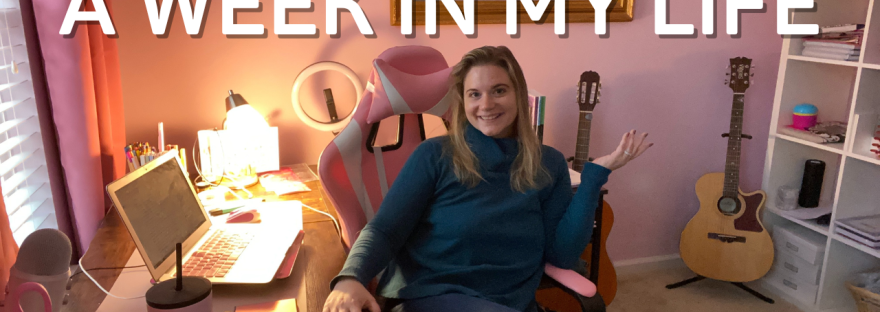
Balancing writing and motherhood is no joke, but somehow, I make it work (with lots of effort and a touch of magic ✨). If you’ve ever wondered what a week in my life looks like, I’m taking you behind the scenes in my latest YouTube video: MY WEEKLY ROUTINE | Writer and SAHM Life.

In this video, I share the messy, beautiful reality of writing my upcoming book Arrow Bound while also keeping up with daily life. Spoiler: It’s a mix of creative bursts, endless meal-making, and finding little moments of peace amidst the chaos.

What You’ll See in This Video

📖 Writing & Worldbuilding – As I work on Arrow Bound, I juggle drafting, and revising. Some days the words flow, and other days, well… let’s just say writer’s block is real. But progress is progress!

🍳 Cooking Nonstop – My toddler eats every two hours (seriously!), so the kitchen is basically my second workspace. From quick snacks to family meals, I’m always making something.

🧹 Cleaning & Chores – The never-ending cycle of laundry, dishes, and tidying up keeps me on my toes. Writing in a messy space? Not ideal. So I do my best to stay on top of it (even if it doesn’t always go as planned).

🌿 Getting Outside – Whether it’s a walk with my son or a quick breath of fresh air, stepping outside helps me reset and refuel my creativity.

It’s a little chaotic, a little magical, and a whole lot of multitasking. If you love seeing the behind-the-scenes of a writer’s life (with a side of mom duties), this video is for you!

📺 Watch it here: https://youtu.be/2gq91YooUWA

Don’t forget to like, comment, and subscribe if you enjoy these peeks into my daily life! 💕

Uncategorized

Slowing Down: Embracing a More Mindful Life

For most of my adult life, I’ve been chasing productivity. I was a social media manager making six figures, juggling campaigns, content calendars, and engagement strategies. Then, in March of 2024, I made a massive shift—I quit my corporate job to become a full-time writer and stay-at-home mom.
Part of that move was to slow down, enjoy time with my growing family, and carve out the time necessary to become a full-time writer. What I didn’t realize at the time was that I hadn’t actually slowed down at all.
Since leaving my job, life has been a whirlwind. I dove headfirst into self-publishing, determined to make writing my career. I adjusted to life with my 18-month-old son, who keeps me on my toes every second of the day. I dealt with the chaos of a first-floor flood in my home back in September. I committed to getting back in shape, pushing myself to fit workouts into a packed schedule. Through it all, I’ve been running on the same mindset I had in corporate life: that my worth is measured by how much I get done.
But lately, I’ve been feeling it—the exhaustion, the mental clutter, the ever-growing to-do list that never seems to shrink. I realized I was still running, just in a different direction. And I don’t want to spend my life sprinting from one thing to the next. I want to slow down.
Over the next few months, I’m making more of an effort to embrace a more mindful and intentional way of living. Instead of measuring my days by productivity, I want to focus on being present. I want to enjoy the little moments with my son—the giggles, the cuddles, the wonder in his eyes as he discovers something new. I want to enjoy writing my novels without thinking about how to use the experience for content. I want to sip my tea slowly instead of downing it between tasks.
Slowing down doesn’t mean giving up on my goals, but it does mean giving myself grace. It means prioritizing what truly matters—quality time with my family, writing, and my own well-being—over endless checklists and self-imposed deadlines.
If you’ve been feeling the pull to slow down, I hope you know you’re not alone. Take a deep breath, step away from the constant rush, and be present in your life instead of just powering through it.
Because life isn’t a race—it’s a journey. And I want to enjoy every step of it.

Uncategorized

Why I’m Sick of Couples Fighting Each Other in Romance Books

I have a bone to pick with romance books. Specifically, the ones where the couple spends the majority of the story fighting each other instead of fighting for each other. You know the ones—Book One ends with a swoon-worthy connection, only for Book Two to rip them apart with unnecessary drama, miscommunication, and, of course, a breakup. It’s like authors think the only way to keep readers invested is by throwing their characters into an angst fest instead of actually developing their relationship.

I get it—conflict is necessary for a good story. But does it always have to be them against each other? Why can’t it be them against the world? Them growing together rather than apart? That’s the kind of love story I want to read. More importantly, that’s the kind of love story I write.

Love That Fights Together

When I write romance, my goal is to create couples who don’t just survive together but thrive together. My characters from my Seasonally Spellbound Series don’t get stuck in an endless cycle of breakups and misunderstandings. They face obstacles, yes, but they do it as a team.

In The Midnight Masquerade, Theodore Ravenwick (Theo), a vampire, and Vespera Blackwood, a witch, are fated mates. Instead of pushing each other away, they explore their bond together, learning what it means to be truly connected. Their story isn’t about tearing each other down—it’s about discovering how strong they are when they stand side by side.

In Mistletoe and Magic, Gertrude Evergreen (Trudy) finds herself entangled with Niklaus, the winter elf king (AKA Santa Claus himself). Their romance isn’t built on unnecessary heartbreak; it’s about trust, magic, and learning to embrace destiny together.

And now, in my latest work, Arrow Bound, Celia Thornfield and Riven Ravenscar are thrown into a race against time to retrieve Eros’s stolen arrow. Riven rejects their bond at first, but that doesn’t mean their journey is filled with petty fights and self-sabotage. Instead, they have to work together to stop something much bigger than themselves. Their romance isn’t about breaking apart—it’s about finding a way to fit together, even when the odds are stacked against them.

Romance Should Be About Growth

Love isn’t just about attraction or dramatic breakups. It’s about growth. It’s about finding someone who challenges you in the best way and helps you become the best version of yourself. That’s what I strive to write—stories where love isn’t a battlefield between two people but a force that helps them face the battles ahead.

So, if you’re tired of second-book breakups, endless misunderstandings, and angst for angst’s sake, my books might be for you. Because love stories should be about more than just surviving—they should be about thriving.

What do you think? Do you prefer romance books where couples fight against each other or ones where they fight for each other? Let’s discuss this in the comments!

Uncategorized

Unplug to Create: How a Digital Detox Can Boost Your Creativity

Finding space for creativity can feel impossible in a world dominated by notifications, endless scrolling, and constant digital noise. Our brains are overloaded with information, leaving little room for deep thinking, imagination, and original ideas. If you’ve ever felt stuck in a creative rut, it might be time for a digital detox—a conscious break from screens to refresh your mind and unlock your creative potential.

The Creativity-Killing Effects of Digital Overload

While technology connects and inspires us, it also bombards us with distractions. Social media, emails, and instant messages keep our minds in a state of reaction rather than creation. Studies have shown that too much screen time can lead to:

  • Mental fatigue
    Constant information intake exhausts the brain, leaving little energy for creative thinking.
  • Decreased attention span
    Quick, bite-sized content makes it harder to focus on deep work.
  • Comparison paralysis
    Seeing curated content from others can stifle confidence and originality.

How a Digital Detox Fuels Creativity

Taking a break from screens can reset your brain and create space for ideas to flow naturally. Here’s how a detox can supercharge your creativity:

  1. Encourages Deep Thinking – Without the constant pull of notifications, your brain can wander, process ideas, and make unexpected connections—key ingredients for creativity.
  2. Boosts Mindfulness and Observation – When you unplug, you become more aware of your surroundings. You start noticing details, emotions, and patterns that can inspire stories, art, and innovative ideas.
  3. Increases Boredom (In a Good Way!) – Boredom might feel uncomfortable, but it’s actually a powerful tool for creativity. When you’re not mindlessly scrolling, your brain naturally seeks stimulation—leading to bursts of imagination and problem-solving.
  4. Improves Focus and Productivity – Creativity thrives in uninterrupted time. A digital detox helps you carve out distraction-free moments to brainstorm, write, sketch, or dream up your next big idea.

How to Do a Digital Detox for Creativity

You don’t have to go off the grid completely—small, intentional breaks can make a big difference. Here’s how to start:

  • Set Screen-Free Hours – Designate time blocks (like mornings or evenings) to be completely tech-free.
  • Use a Notebook Instead of Your Phone—Instead of using a digital app, Capture ideas, doodles, or thoughts in a physical journal.
  • Go for Walks Without Your Phone – Nature and movement naturally boost creativity.
  • Try a 24-Hour Detox – One full day without screens can reset your brain and spark fresh ideas.
  • Turn Off Notifications – Reduce distractions by silencing unnecessary alerts.

Final Thoughts

A digital detox isn’t about rejecting technology—it’s about reclaiming control over your attention and creativity. By taking intentional breaks from screens, you give your mind the space it needs to dream, explore, and create.

Have you ever tried a digital detox? What impact did it have on your creativity? Share your experiences in the comments!

lifestyle

New Year Refresh: Clean and Prep for 2025

As the confetti settles and the clock resets, the start of a new year brings with it the promise of fresh beginnings and endless possibilities. But before we dive headlong into our resolutions and plans, it’s essential to create a clean slate — both mentally and physically. Here’s how to clean out the old, take down the festive décor, and prepare your home and mind for an amazing 2025.


1. Clear the Decks: Declutter and Deep Clean

The holidays can leave our homes feeling cluttered and chaotic. Start the new year with a deep clean to set the tone for an organized and harmonious 2025.

  • Declutter first. Go room by room, sorting through the items that have accumulated over the past year. Donate, recycle, or discard anything that no longer serves a purpose or brings joy.
  • Deep clean your space. Pay attention to areas often overlooked during the year: clean behind furniture, dust light fixtures, and shampoo carpets. A sparkling home feels like a blank canvas for new possibilities.
  • Reorganize storage. Refresh storage spaces like closets, pantries, and drawers. Use bins, labels, and clever organizing solutions to maximize efficiency.

2. Say Goodbye to Christmas

The holidays are magical, but keeping seasonal decorations too long can make your home feel stagnant. Embrace the transition by carefully packing away the festive cheer.

  • Take down decorations mindfully. As you remove ornaments, lights, and garlands, inspect items for damage and decide if anything should be retired. Store decorations in labeled bins for easy access next year.
  • Switch to winter decor. Replace holiday-specific items with neutral, cozy accents. Think plush throws, warm candles, and winter greenery to keep your home inviting.
  • Recycle your tree. If you’ve used a real Christmas tree, look into local recycling programs to dispose of it sustainably.

3. Refresh Your Mindset

Prepping for a new year isn’t just about physical space; it’s also about resetting your mental space. A clear mind is key to achieving your goals in 2025.

  • Reflect on the past year. Take some time to journal or meditate on what went well in 2024 and what you’d like to improve. Use these reflections to guide your intentions for 2025.
  • Set actionable goals. Break down your resolutions into achievable steps. For example, instead of saying “get healthier,” set a goal to exercise three times a week or cook more meals at home.
  • Declutter your digital space. Organize your email inbox, clean up your photo library, and delete unused apps. A tidy digital environment can reduce stress and boost productivity.

4. Welcome Positive Energy

Now that you’ve decluttered and cleaned, it’s time to set a positive tone for 2025. Small rituals and mindful practices can help create a space that feels aligned with your goals.

  • Add a touch of nature. Bring in houseplants or fresh flowers to invigorate your home. Plants improve air quality and create a calming atmosphere.
  • Refresh your decor. Consider small updates like new pillows, a fresh coat of paint, or a statement piece to breathe new life into your space.
  • Light it up. Replace dim or outdated lighting with warm, bright options to keep your home feeling vibrant and energized.

5. Establish New Routines

Consistency is key to maintaining the changes you’ve made. Use the momentum of the new year to set routines that support your mental and physical well-being.

  • Morning rituals. Start your day with intention—whether it’s a cup of tea, a short meditation, or reviewing your goals for the day.
  • Weekly resets. Dedicate time each week to tidy your home, reflect on your progress, and prepare for the week ahead.
  • Prioritize self-care. Schedule time for activities that recharge you, like reading, exercising, or connecting with loved ones.

By cleaning out the old, packing away the holiday season, and refreshing both your home and your mindset, you can step into 2025 feeling organized, motivated, and ready to take on whatever comes your way. Here’s to a year of growth, joy, and possibility!

career, writing

A Day in the Life of a Full-Time Writer

Being a full-time writer is a dream job for many, but it’s far from lounging around in pajamas and waiting for inspiration to strike. It’s a balancing act between creativity, discipline, and the everyday responsibilities of homemaking. For me, every day is a dance between writing deadlines, caring for my family, and managing a high-energy border collie named Scout. Here’s a look at a typical day in my life as a full-time writer.

4:30 AM – Wake Up Call

The world is still and quiet—a perfect time for creativity. I’m up at 4:30 AM, often before the sun, to carve out time for my writing. It’s not easy to wake up this early, but I’ve found that the peace and stillness of the early morning hours are ideal for getting into a creative flow. I get my pre-workout and bake something to eat for my family later in the day before I sit at my desk and open my laptop.

5:00 AM – Writing Session

By 5:00 AM, I’m fully immersed in my current project. Whether I’m drafting new chapters, editing, or outlining my next book, these two hours are sacred. It’s my most focused time of the day—no interruptions, no emails, just me and the story. This is when I’ve written some of my best work, including large chunks of my books in the Seasonally Spellbound series.

7:00 AM – Get Ready for the Gym

By 7:00 AM, it’s time to switch gears. I get myself and my little one ready to head out the door. This means packing snacks, getting gym clothes on, and making sure we’re both prepared for the morning ahead.

8:00 AM – Workout

At 8:00 AM, I’m at the gym. Movement is essential not just for my body but for my mind. Exercise keeps me energized and sharp for the rest of the day. It’s also a chance to clear my head and let story ideas percolate in the background. I’ve solved more than one plot problem while doing a set of squats.

10:00 AM – Walk Scout

Back home by 10:00 AM, it’s time for Scout’s walk. Our border collie has boundless energy, so this walk is non-negotiable. We stroll around the neighborhood, and I’ll often use this time to brainstorm scenes or listen to audiobooks related to writing or storytelling.

10:30 AM – Morning Snack

After the walk, it’s snack time. A quick, healthy snack gives me a boost before diving into the next phase of my day.

11:00 AM – Clean or Dog Park During Child’s Nap

At 11:00 AM, my child goes down for a nap, and I’m faced with a choice: clean the house or take Scout to the dog park. On cleaning days, I’m tackling laundry, tidying up toys, and doing small household tasks that keep everything running smoothly. On dog park days, it’s a chance for Scout to run off her energy while I get a mental break.

12:00 PM – Writing Session

Once the cleaning or park trip is done, I’m back at my desk for another writing session at 12:00 PM. These early afternoon hours are quieter but often less focused than my 5:00 AM session. I’m juggling ideas and pushing forward on chapters, but I’m also mindful that the day’s responsibilities are piling up.

2:00 PM – Lunch Break

At 2:00 PM, it’s time to pause for lunch. It’s a chance to refuel, check in with my family, and take a breather before the afternoon push.

3:00 PM – Playtime with Scout

After lunch, I’ll spend some time in the backyard with Scout and with my son. We play fetch, chase, or practice training exercises. It’s a chance for us to get some fresh air, and it’s another moment of “active brainstorming” for me—where story ideas come together when I’m not actively thinking about them.

4:00 PM – Writing Session at the Gym (With Childwatch)

At 4:00 PM, it’s time for the second workout session of the day—but for me, it’s less about exercise and more about childcare. While my child is in childwatch at the gym, I’ll find a quiet spot to write. I’ve learned to be adaptable during this window, knowing that interruptions can happen. But having this dedicated block of time helps me stay on track.

6:00 PM – Dinner and Bedtime Routine

By 6:00 PM, it’s dinner time for the whole family. We sit down together to eat, talk about our day, and unwind a bit. After dinner, it’s time to get my child ready for bed—bath, pajamas, bedtime stories, and snuggles. It’s a cherished part of my day, and I’m fully present for it.

7:00 PM – “Closing Hour” Cleaning Session

Once the little one is asleep, it’s time for my “closing hour”—an hour of straight cleaning. I’ll tackle dishes, organize toys, fold laundry, and reset the house for the next day. It’s part of my “clean slate” philosophy: waking up to a tidy home makes it easier to focus on writing in the morning.

8:00 PM – Wind Down

At 8:00 PM, I’m officially done with household tasks. It’s time to decompress. I’ll read a book, watch a show, or simply relax. I’m mindful not to bring any more “work” into this space. This hour is sacred and sets the tone for a good night’s sleep.

8:30 PM – Lights Out

By 8:30 PM, it’s lights out. I’ve learned that to maintain my 4:30 AM wake-up routine, I need to prioritize rest. Sleep is non-negotiable. I’ve also learned that it’s not just about the quantity of sleep but the quality. A full night’s rest ensures I’m ready to do it all again the next day.


Being a full-time writer requires discipline, but it’s also a job filled with joy, creativity, and flexibility. Every day looks a little different, but this schedule keeps me grounded. Balancing writing, homemaking, and family life isn’t easy—but it’s worth every early morning and late-night cleaning session. If you’ve ever wondered what it’s like to live the life of a full-time writer, know this: it’s a marathon, not a sprint.

career, Seasonally Spellbound Series, writing

Why I Chose Self-Publishing (and Why You Might Too)

When I first decided to pursue writing seriously, I imagined the traditional route: querying agents, crossing my fingers, and hoping for that elusive “yes” from a publisher. But as I went deeper into the process, a realization hit me—I’d been reading books that, frankly, didn’t feel that different from my own rough drafts. If those stories were out there being read, loved, and celebrated, why not mine?

That’s when I decided to take a leap of faith and self-publish. I’d always heard self-publishing was a daunting path reserved for people with entrepreneurial grit and endless marketing savvy. But what I’ve discovered is that self-publishing is less about perfection and more about persistence, creativity, and, most importantly, belief in your own work.

Why I Chose Self-Publishing

  1. Creative Control
    One of the most appealing aspects of self-publishing is the creative freedom it offers. I have full control over every element of my stories—from the plot twists to the cover design to the launch strategy. If I want to write about a witch falling for a vampire king at a magical masquerade, no one can tell me, “That’s too niche.” It’s my story, my rules.
  2. Speed to Market
    Traditional publishing can take years from query to bookshelf. Self-publishing, on the other hand, allows me to get my work in front of readers much faster. Once I’ve polished my manuscript to a point where I’m proud of it, I can publish it on platforms like Amazon’s KDP without waiting for anyone’s permission. This faster turnaround also means I can respond to reader demand more quickly, something that’s critical for serialized stories like my Seasonally Spellbound series.
  3. Confidence in My Craft
    When I started comparing my rough drafts to some of the books already on the market, I realized something important: I’m not “waiting to be ready” anymore. I’m ready now. Was my first book The Midnight Masquerade perfect? No. But it was good enough to be loved by readers, and that’s all that really matters. I’d rather take action and learn as I go than sit on a “what if” forever.
  4. Direct Connection to Readers
    Self-publishing allows me to connect directly with readers. I’m able to receive feedback almost instantly, whether it’s a review or a message on social media. This feedback loop has been invaluable for my growth as a writer. Instead of waiting for feedback from agents or editors, I’m able to see what’s working (or not working) in real-time.
  5. Earnings Potential
    While traditional publishing typically pays authors a small percentage of royalties, self-publishing allows for a much higher cut of the profits. Yes, I’m responsible for expenses like editing, cover design, and marketing, but I’m also able to keep a bigger share of the revenue. Over time, those earnings can add up, especially with multiple books in a series.

The Challenges of Self-Publishing

Of course, self-publishing isn’t all magic and moonlight. There are real challenges that come with this choice, and I’d be remiss not to mention them.

  1. Upfront Costs
    If you’re going to do it right, you’ll need to invest in things like professional editing, cover design, and marketing. I’ve learned that a good cover can make the difference between a book being ignored or clicked on instantly. It’s not cheap if you need to hire out, but it’s an investment in the long-term success of the book. Can’t swing it? I recommend checking out Canva to create your own covers.
  2. Self-Promotion Required
    As a self-published author, you’re also your own marketing team. This means learning how to promote on social media, running ad campaigns, and finding creative ways to generate buzz. For me, this was a big adjustment, but it’s also become one of the most rewarding aspects of the process. It’s satisfying to know that the success of my books is in my hands, not someone else’s.
  3. Time Management
    Writing is only one part of the self-publishing process. There’s also formatting, uploading, marketing, and customer service (yes, readers will reach out to you with questions and comments). Balancing all these roles as a stay-at-home mom requires planning and prioritization. Thankfully, I’ve learned how to streamline these tasks, but it’s something every self-published author has to navigate.
  4. Imposter Syndrome
    It’s easy to question your worth when you’re putting your own work into the world. Without an agent or publisher’s validation, you have to believe in yourself — fully. The truth is, doubt never really goes away, but I’ve learned to push forward anyway. Every new reader reminds me why I’m doing this.
  5. Standing Out in a Crowded Market
    With thousands of new books published daily, standing out is no small feat. But I’ve found that niching down (like focusing on holiday-themed urban fantasy romances) makes it easier to carve out a space where my books feel “just right” for a specific audience. If you’re trying to please everyone, you’ll please no one. But if you’re speaking directly to a specific type of reader, they’ll feel seen.

So, Should You Self-Publish?

If you’re on the fence about self-publishing, I’d encourage you to ask yourself a few questions:

  • Are you willing to learn new skills (like marketing, editing, and design) or hire people to help?
  • Are you comfortable with the idea of “good enough” instead of “perfect”?
  • Do you want full creative control over your story’s direction, pacing, and release schedule?
  • Are you ready to bet on yourself?

If you’re nodding along, self-publishing might be worth exploring. It’s not the “easy way” by any means, but it is an empowering way. For me, it’s been a path of growth, grit, and unexpected joy. Every day, I’m learning something new, whether it’s how to design a more compelling book cover or how to structure a more captivating first chapter.

Self-publishing allowed me to stop waiting for permission and start taking action. I’ve published The Midnight Masquerade and launched a holiday-themed series called Seasonally Spellbound, with more magical stories on the way. The best part? I’m doing it on my own terms. Readers are finding my stories, connecting with my characters, and asking for more.

If you’ve ever felt like your story deserves to be seen, maybe it’s time to trust that feeling. Maybe it’s time to bet on yourself, too.