career, writing

A Day in the Life of a Full-Time Writer

Being a full-time writer is a dream job for many, but it’s far from lounging around in pajamas and waiting for inspiration to strike. It’s a balancing act between creativity, discipline, and the everyday responsibilities of homemaking. For me, every day is a dance between writing deadlines, caring for my family, and managing a high-energy border collie named Scout. Here’s a look at a typical day in my life as a full-time writer.

4:30 AM – Wake Up Call

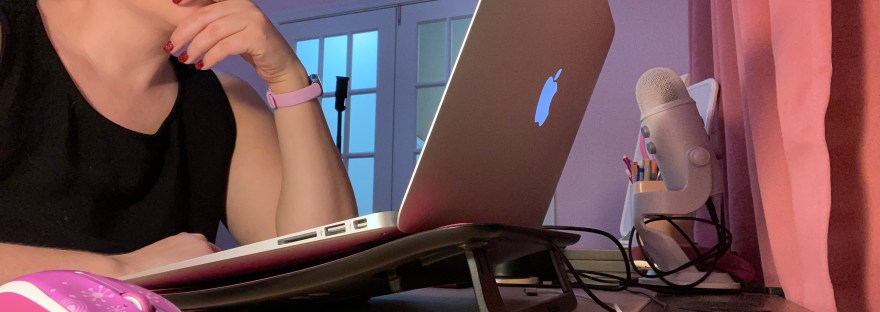
The world is still and quiet—a perfect time for creativity. I’m up at 4:30 AM, often before the sun, to carve out time for my writing. It’s not easy to wake up this early, but I’ve found that the peace and stillness of the early morning hours are ideal for getting into a creative flow. I get my pre-workout and bake something to eat for my family later in the day before I sit at my desk and open my laptop.

5:00 AM – Writing Session

By 5:00 AM, I’m fully immersed in my current project. Whether I’m drafting new chapters, editing, or outlining my next book, these two hours are sacred. It’s my most focused time of the day—no interruptions, no emails, just me and the story. This is when I’ve written some of my best work, including large chunks of my books in the Seasonally Spellbound series.

7:00 AM – Get Ready for the Gym

By 7:00 AM, it’s time to switch gears. I get myself and my little one ready to head out the door. This means packing snacks, getting gym clothes on, and making sure we’re both prepared for the morning ahead.

8:00 AM – Workout

At 8:00 AM, I’m at the gym. Movement is essential not just for my body but for my mind. Exercise keeps me energized and sharp for the rest of the day. It’s also a chance to clear my head and let story ideas percolate in the background. I’ve solved more than one plot problem while doing a set of squats.

10:00 AM – Walk Scout

Back home by 10:00 AM, it’s time for Scout’s walk. Our border collie has boundless energy, so this walk is non-negotiable. We stroll around the neighborhood, and I’ll often use this time to brainstorm scenes or listen to audiobooks related to writing or storytelling.

10:30 AM – Morning Snack

After the walk, it’s snack time. A quick, healthy snack gives me a boost before diving into the next phase of my day.

11:00 AM – Clean or Dog Park During Child’s Nap

At 11:00 AM, my child goes down for a nap, and I’m faced with a choice: clean the house or take Scout to the dog park. On cleaning days, I’m tackling laundry, tidying up toys, and doing small household tasks that keep everything running smoothly. On dog park days, it’s a chance for Scout to run off her energy while I get a mental break.

12:00 PM – Writing Session

Once the cleaning or park trip is done, I’m back at my desk for another writing session at 12:00 PM. These early afternoon hours are quieter but often less focused than my 5:00 AM session. I’m juggling ideas and pushing forward on chapters, but I’m also mindful that the day’s responsibilities are piling up.

2:00 PM – Lunch Break

At 2:00 PM, it’s time to pause for lunch. It’s a chance to refuel, check in with my family, and take a breather before the afternoon push.

3:00 PM – Playtime with Scout

After lunch, I’ll spend some time in the backyard with Scout and with my son. We play fetch, chase, or practice training exercises. It’s a chance for us to get some fresh air, and it’s another moment of “active brainstorming” for me—where story ideas come together when I’m not actively thinking about them.

4:00 PM – Writing Session at the Gym (With Childwatch)

At 4:00 PM, it’s time for the second workout session of the day—but for me, it’s less about exercise and more about childcare. While my child is in childwatch at the gym, I’ll find a quiet spot to write. I’ve learned to be adaptable during this window, knowing that interruptions can happen. But having this dedicated block of time helps me stay on track.

6:00 PM – Dinner and Bedtime Routine

By 6:00 PM, it’s dinner time for the whole family. We sit down together to eat, talk about our day, and unwind a bit. After dinner, it’s time to get my child ready for bed—bath, pajamas, bedtime stories, and snuggles. It’s a cherished part of my day, and I’m fully present for it.

7:00 PM – “Closing Hour” Cleaning Session

Once the little one is asleep, it’s time for my “closing hour”—an hour of straight cleaning. I’ll tackle dishes, organize toys, fold laundry, and reset the house for the next day. It’s part of my “clean slate” philosophy: waking up to a tidy home makes it easier to focus on writing in the morning.

8:00 PM – Wind Down

At 8:00 PM, I’m officially done with household tasks. It’s time to decompress. I’ll read a book, watch a show, or simply relax. I’m mindful not to bring any more “work” into this space. This hour is sacred and sets the tone for a good night’s sleep.

8:30 PM – Lights Out

By 8:30 PM, it’s lights out. I’ve learned that to maintain my 4:30 AM wake-up routine, I need to prioritize rest. Sleep is non-negotiable. I’ve also learned that it’s not just about the quantity of sleep but the quality. A full night’s rest ensures I’m ready to do it all again the next day.


Being a full-time writer requires discipline, but it’s also a job filled with joy, creativity, and flexibility. Every day looks a little different, but this schedule keeps me grounded. Balancing writing, homemaking, and family life isn’t easy—but it’s worth every early morning and late-night cleaning session. If you’ve ever wondered what it’s like to live the life of a full-time writer, know this: it’s a marathon, not a sprint.


career, Seasonally Spellbound Series, writing

Why I Chose Self-Publishing (and Why You Might Too)

When I first decided to pursue writing seriously, I imagined the traditional route: querying agents, crossing my fingers, and hoping for that elusive “yes” from a publisher. But as I went deeper into the process, a realization hit me—I’d been reading books that, frankly, didn’t feel that different from my own rough drafts. If those stories were out there being read, loved, and celebrated, why not mine?

That’s when I decided to take a leap of faith and self-publish. I’d always heard self-publishing was a daunting path reserved for people with entrepreneurial grit and endless marketing savvy. But what I’ve discovered is that self-publishing is less about perfection and more about persistence, creativity, and, most importantly, belief in your own work.

Why I Chose Self-Publishing

  1. Creative Control
    One of the most appealing aspects of self-publishing is the creative freedom it offers. I have full control over every element of my stories—from the plot twists to the cover design to the launch strategy. If I want to write about a witch falling for a vampire king at a magical masquerade, no one can tell me, “That’s too niche.” It’s my story, my rules.
  2. Speed to Market
    Traditional publishing can take years from query to bookshelf. Self-publishing, on the other hand, allows me to get my work in front of readers much faster. Once I’ve polished my manuscript to a point where I’m proud of it, I can publish it on platforms like Amazon’s KDP without waiting for anyone’s permission. This faster turnaround also means I can respond to reader demand more quickly, something that’s critical for serialized stories like my Seasonally Spellbound series.
  3. Confidence in My Craft
    When I started comparing my rough drafts to some of the books already on the market, I realized something important: I’m not “waiting to be ready” anymore. I’m ready now. Was my first book The Midnight Masquerade perfect? No. But it was good enough to be loved by readers, and that’s all that really matters. I’d rather take action and learn as I go than sit on a “what if” forever.
  4. Direct Connection to Readers
    Self-publishing allows me to connect directly with readers. I’m able to receive feedback almost instantly, whether it’s a review or a message on social media. This feedback loop has been invaluable for my growth as a writer. Instead of waiting for feedback from agents or editors, I’m able to see what’s working (or not working) in real-time.
  5. Earnings Potential
    While traditional publishing typically pays authors a small percentage of royalties, self-publishing allows for a much higher cut of the profits. Yes, I’m responsible for expenses like editing, cover design, and marketing, but I’m also able to keep a bigger share of the revenue. Over time, those earnings can add up, especially with multiple books in a series.

The Challenges of Self-Publishing

Of course, self-publishing isn’t all magic and moonlight. There are real challenges that come with this choice, and I’d be remiss not to mention them.

  1. Upfront Costs
    If you’re going to do it right, you’ll need to invest in things like professional editing, cover design, and marketing. I’ve learned that a good cover can make the difference between a book being ignored or clicked on instantly. It’s not cheap if you need to hire out, but it’s an investment in the long-term success of the book. Can’t swing it? I recommend checking out Canva to create your own covers.
  2. Self-Promotion Required
    As a self-published author, you’re also your own marketing team. This means learning how to promote on social media, running ad campaigns, and finding creative ways to generate buzz. For me, this was a big adjustment, but it’s also become one of the most rewarding aspects of the process. It’s satisfying to know that the success of my books is in my hands, not someone else’s.
  3. Time Management
    Writing is only one part of the self-publishing process. There’s also formatting, uploading, marketing, and customer service (yes, readers will reach out to you with questions and comments). Balancing all these roles as a stay-at-home mom requires planning and prioritization. Thankfully, I’ve learned how to streamline these tasks, but it’s something every self-published author has to navigate.
  4. Imposter Syndrome
    It’s easy to question your worth when you’re putting your own work into the world. Without an agent or publisher’s validation, you have to believe in yourself — fully. The truth is, doubt never really goes away, but I’ve learned to push forward anyway. Every new reader reminds me why I’m doing this.
  5. Standing Out in a Crowded Market
    With thousands of new books published daily, standing out is no small feat. But I’ve found that niching down (like focusing on holiday-themed urban fantasy romances) makes it easier to carve out a space where my books feel “just right” for a specific audience. If you’re trying to please everyone, you’ll please no one. But if you’re speaking directly to a specific type of reader, they’ll feel seen.

So, Should You Self-Publish?

If you’re on the fence about self-publishing, I’d encourage you to ask yourself a few questions:

  • Are you willing to learn new skills (like marketing, editing, and design) or hire people to help?
  • Are you comfortable with the idea of “good enough” instead of “perfect”?
  • Do you want full creative control over your story’s direction, pacing, and release schedule?
  • Are you ready to bet on yourself?

If you’re nodding along, self-publishing might be worth exploring. It’s not the “easy way” by any means, but it is an empowering way. For me, it’s been a path of growth, grit, and unexpected joy. Every day, I’m learning something new, whether it’s how to design a more compelling book cover or how to structure a more captivating first chapter.

Self-publishing allowed me to stop waiting for permission and start taking action. I’ve published The Midnight Masquerade and launched a holiday-themed series called Seasonally Spellbound, with more magical stories on the way. The best part? I’m doing it on my own terms. Readers are finding my stories, connecting with my characters, and asking for more.

If you’ve ever felt like your story deserves to be seen, maybe it’s time to trust that feeling. Maybe it’s time to bet on yourself, too.

career, Seasonally Spellbound Series, writing

From Corporate to Creative: My Journey from Social Media Manager to Full-Time Writer

In March 2024, I did something both terrifying and exhilarating — I left behind an eight-year career in cybersecurity to chase a dream I’d been quietly nurturing for years: becoming a full-time romance writer.

It wasn’t an impulsive decision. It was one I’d thought about for years as I juggled career demands, personal dreams, and, eventually, the responsibilities of being a mother. But there’s a certain kind of clarity that comes when you realize that you’ve spent too much time waiting for the “perfect moment” to pursue your dreams. Sometimes, you have to create that moment yourself.

This is the story of how I went from managing social media accounts in the high-stakes world of cybersecurity to crafting magical love stories about witches, vampires, and fated mates.


The Corporate Chapter

Before becoming a writer, I spent eight years in cybersecurity, where I specialized in social media management. I know—social media in cybersecurity? It’s not exactly the first thing that comes to mind. However, my role involved shaping the online presence of companies in an industry where trust and credibility are everything.

I wasn’t just scheduling posts. I was helping build a brand’s reputation, managing crises, and telling stories about complex topics like online safety and digital threats. I mentored new hires, took on extra responsibilities, and even gave presentations to other departments in social media training. It was challenging, fast-paced, and, at times, exhausting. But it also taught me crucial skills I now bring to my writing life:

  • Storytelling — I learned how to craft a narrative, even when the subject matter was technical.
  • Marketing — I understood the importance of knowing your audience and crafting content that speaks directly to them.
  • Resilience — Crisis management taught me how to stay calm under pressure, something I now rely on when deadlines loom or creative doubt creeps in.

Why I Chose to Leave

So, why did I walk away from a stable, six-figure career? The truth is, I wanted more than a “good” job. I wanted meaning.

In 2023, I became a mother — a life-changing event that reshaped everything I thought I knew about time, priorities, and fulfillment. Suddenly, I didn’t want to spend 40+ hours a week solving other people’s problems. I wanted to build something of my own.

I knew I wanted to write. Not “someday,” but now. I’d been daydreaming about stories involving witches, vampires, and fated love for years. The idea of creating my own magical world felt like a calling I could no longer ignore. And honestly? Motherhood gave me the courage to take the leap.

With my husband’s support, I decided to step away from corporate life in March 2024. I became a full-time stay-at-home mom and an aspiring romance writer. It wasn’t easy. There were doubts. There were tears. But there was also hope — hope that, with patience and persistence, I could turn this dream into reality.


Building a New Routine

Going from a structured 9-to-5 job to the free-flowing world of writing sounds like a dream, but let me tell you — it’s not all sunshine and slow mornings. When you’re your own boss, you have to create your own structure.

I had a baby to care for, homemaking responsibilities, and a blank page staring back at me every morning. I knew if I wanted to succeed as a writer, I’d have to be intentional with my time. So I built a schedule that worked for my family:

  • 6:00 AM — Breakfast and quiet writing time while the house is still asleep.
  • 7:00 AM — Get myself and my child ready for the day.
  • 8:00 AM — Workout class (because mental health is just as important as physical health).
  • 9:30 AM — Child’s nap time = more writing time.
  • Rest of the day — Homemaking, family time, and squeezing in more writing whenever possible.

This rhythm wasn’t perfect, but it gave me consistency. And consistency, more than talent or inspiration, is what actually leads to finished books.

I also relied on tools like the Daily Grind Planner, which helped me track both my writing goals and daily homemaking tasks. Staying organized allowed me to give myself grace on the hard days and celebrate the small wins on the good days.


Writing The Midnight Masquerade

One of the first stories I knew I had to write was The Midnight Masquerade, a romance set during a Halloween masquerade ball at a gothic mansion. It’s the story of Vespera Blackwood, a secret witch, and Theodore Ravenwick, a vampire king in search of his fated mate.

This story was born from my love of Halloween and my affection for Jack and Sally from The Nightmare Before Christmas. I loved the idea of a magical masquerade where nothing is as it seems — where hidden identities and forbidden love collide. Each night of the masquerade has its own magical theme, from a mystical circus to an enchanted forest.

But writing the book was no enchanted ball. It required discipline, self-doubt, and rewriting scenes I thought were “done.” The journey taught me that creativity isn’t a magical spell you can cast at will — it’s a daily practice.

In October 2024, after a month of work, I finally did it. The Midnight Masquerade was officially published. Seeing my story out in the world, knowing people could actually read the words I’d poured my heart into, was surreal. It was proof that the leap from corporate to creative wasn’t just a dream — it was a transformation.


Lessons I’ve Learned Along the Way

Every journey has lessons, and this one is no different. Here are a few truths I’ve learned about walking away from a corporate career to become a full-time writer:

  • You don’t need to have it all figured out to start.
    When I left my job, I didn’t have a 10-step plan for becoming a successful writer. I just had a dream and a willingness to show up every day. Clarity comes with action, not the other way around.
  • The skills you build in one career will serve you in the next.
    My years in social media taught me marketing, storytelling, and consistency — all skills I now use as an author. Nothing is wasted.
  • If you wait for “perfect timing,” you’ll wait forever.
    I could have stayed in corporate life for years, waiting for the “right” moment to write a book. But the truth is, there’s never a right moment. The only moment you have is now.
  • You don’t have to do it alone.
    My husband’s support was crucial. So were the friends, family, and readers who believed in me. Don’t be afraid to ask for help or lean on the people who love you.
  • Success isn’t measured by a paycheck — it’s measured by fulfillment.
    Walking away from a six-figure salary wasn’t easy. But I don’t measure success by numbers anymore. I measure it by joy, freedom, and growth.

Where I’m Headed Next

If you’ve made it this far, you might be wondering: What’s next for me? Well, I’m just getting started.

My next big project is continuing the Seasonally Spellbound Series, a collection of urban fantasy romances centered around holidays. Each book will feature a female witch paired with a holiday-themed love interest (like a vampire for Halloween or the Elf King for Christmas).

I’m also working on my second book, tentatively titled Mistletoe and Magic, which follows a thirty-year-old witch named Trudy as she finds herself caught between two worlds — one with her CEO boyfriend at a toy company, and another with the Elf King, her fated mate.

I’m excited, I’m scared, but most of all, I’m ready.


Final Words of Encouragement

If you’ve ever thought about leaving your job to pursue a dream, I want you to know this: It’s possible. It’s hard, yes. But it’s possible. You don’t have to have all the answers before you begin. You just have to start.

Take the leap. Take the risk. Trust that you have everything you need to make it work.

And when you do? I’ll be here, cheering you on.


If you loved this post, stay connected with me! Follow my journey as I release more books in the Seasonally Spellbound Series and share behind-the-scenes updates on writing, self-publishing, and embracing the creative life.

What dream are you chasing? Drop it in the comments below — I’d love to hear from you. ✨

career, lifestyle, writing

Lessons Homemaking Has Taught Me About Writing

Homemaking isn’t just about keeping things tidy and organized; it’s a daily practice that requires patience, persistence, attention to detail, and habits that bring a sense of balance. Here’s how these household skills fuel my creative work.


1. Patience: Embracing the Slow and Steady Progress

Keeping a home is a marathon, not a sprint, and it’s easy to feel overwhelmed by the endless list of chores. Writing a novel—or even just a chapter—can feel similarly daunting. Both tasks require a patient, one-step-at-a-time approach. I’ve learned that just as a clean house doesn’t happen overnight, neither does a well-written book. Taking it one task at a time, celebrating small victories, and trusting the process have made me a more resilient and patient writer.


2. Persistence: Showing Up Even on the Tough Days

Some days, managing a household can feel like running on autopilot: the dishes pile up, the laundry keeps spinning, and the same routines repeat day after day. Writing, too, can feel repetitive, especially during rough drafts when progress is slow. But homemaking has taught me that persistence—showing up daily, even when I’m tired or uninspired—leads to results. Small, consistent efforts accumulate over time, whether I’m polishing a story or tidying the living room.


3. Attention to Detail: Finding Magic in the Little Things

In homemaking, attention to detail can make a world of difference—whether it’s arranging flowers on a table or adding a cozy touch to a reading nook. This same eye for detail enriches my writing, helping me create vivid, immersive worlds for my characters. Just as a well-kept home feels inviting, a well-crafted story draws readers in with its richness. I’ve found that focusing on sensory details in my stories—like the glow of a candle or the rustling of leaves—often stems from the same appreciation I have for those small, meaningful touches at home.


4. Daily Habits: Building a Foundation for Creative Flow

Homemaking involves countless small routines that make a house feel like home: morning coffee rituals, afternoon clean-ups, or evening wind-downs. These habits keep my day organized, leaving room for creativity. Similarly, having daily writing routines—like starting my day with a writing session or ending it by jotting down ideas—helps my creative mind stay engaged. I’ve found that establishing habits is essential for maintaining momentum and motivation, both in writing and homemaking.


Final Thoughts: The Balance Between Creativity and Responsibility

The life of a writer who’s also managing a home is one of balance. Homemaking reminds me to embrace the dual nature of creativity and responsibility, where I can lean into both discipline and imagination. By drawing on the lessons of patience, persistence, attention to detail, and the power of daily habits, I’m creating a nurturing environment not only for my family but also for my creative projects.


Whether you’re a writer, a homemaker, or both, remember that these skills we develop in daily life have a powerful impact on our craft. The more we learn from one part of our life, the more it enriches the other—and, ultimately, that’s what makes the journey fulfilling.

career, lifestyle

Cozy Fall Writing Nooks: How to Create a Warm Space at Home

There’s something about fall that just makes you want to curl up with a cup of tea and get lost in your writing. The crisp air, golden leaves, and early evenings are the perfect backdrop for creativity. If you’re looking to channel that cozy autumn vibe into your writing, creating a dedicated fall-themed nook at home could be the perfect solution.

Here are some simple yet effective ways to transform a corner of your home into the ultimate cozy fall writing space:

1. Incorporate Autumnal Colors

One of the easiest ways to bring fall into your writing nook is by using warm, autumnal colors. Think rich shades like burnt orange, deep reds, mustard yellows, and earthy browns. You can add these colors through pillows, blankets, or even wall art.

Tip: A warm-colored throw blanket draped over your chair or sofa instantly brings a cozy fall feel to the space.

2. Add Soft Lighting

Lighting is key when it comes to setting the mood for writing. Soft, warm lighting will create a calming atmosphere that helps you focus. String lights or a small table lamp with a soft yellow or amber glow are perfect for adding warmth without being too harsh on the eyes.

Tip: Use battery-operated candles for a flickering glow without the risk of real flames.

3. Bring in Cozy Textures

Fall is all about comfort, so make sure your writing nook is filled with cozy textures. Layer soft blankets, throw pillows, and a plush rug underfoot to create a space that’s warm and inviting. A cushioned chair or an oversized armchair makes for the perfect seat to settle into during long writing sessions.

Tip: Mix and match textures like chunky knit blankets, velvet pillows, and soft wool to make your nook feel extra luxurious.

4. Light a Scented Candle

There’s nothing like the smell of fall to inspire your creativity. Light a seasonal candle to bring the scents of autumn into your space—think pumpkin spice, cinnamon, or apple cider. Scents can be a powerful tool for getting you into the writing mindset, creating a sense of ritual every time you sit down to work.

Tip: Choose candles with wood wicks for an added crackling sound, mimicking the coziness of a fall fireplace.

5. Decorate with Nature

Bring a bit of the outdoors inside by incorporating natural elements into your writing nook. A small vase of dried flowers or a few pinecones placed in a decorative bowl can instantly add a fall feel. You could also place mini pumpkins or gourds around your space for an extra festive touch.

Tip: Hang a fall wreath nearby or add a small bundle of cinnamon sticks or dried leaves for a simple, nature-inspired decoration.

6. Create a Coffee or Tea Station

No fall writing nook is complete without a cozy beverage at your side. Set up a small tray with your favorite fall teas, coffee, or hot chocolate. Having a designated drink station nearby makes it easy to settle in with a warm mug, ready to dive into your writing.

Tip: Add a decorative fall mug to your collection for an extra bit of seasonal joy with every sip.

7. Add Inspiring Wall Art

Incorporating inspiring or seasonal artwork can help set the mood for your writing. Choose prints that feature fall landscapes, cozy interiors, or quotes that inspire creativity. This visual element can spark ideas and help you get into the flow of your writing session.

Tip: Frame a few fall-themed postcards or art prints for a budget-friendly way to switch up your space each season.

8. Find the Perfect Chair

Comfort is key when it comes to finding the right chair for your writing nook. You’ll want something that supports your back while also offering a comfortable place to sink into. An armchair with a soft cushion or even a window seat with plenty of pillows can create the perfect cozy spot.

Tip: Add a small ottoman or footstool to elevate your feet for extra comfort during long writing sessions.

9. Personalize Your Space

While it’s important to create a fall-themed environment, it’s equally important to make the space your own. Add personal touches like your favorite books, a notebook for jotting down ideas, or a framed photo that inspires you. These small details will make the nook feel more like your personal creative haven.

Tip: Keep a basket or shelf nearby to store any writing materials you might need, such as pens, journals, or your laptop.

Final Thoughts

Transforming a small corner of your home into a cozy fall writing nook doesn’t have to be complicated. With the right combination of autumnal colors, warm textures, and personal touches, you can create a space that not only makes writing more inviting but also helps you focus and feel inspired.

What’s your favorite way to cozy up your writing space for fall? Let me know in the comments!

career

Seasonally Spellbound Series: Publishing to Kindle Vella

When I first started planning my Seasonally Spellbound Series, I knew I wanted to explore a publishing platform that fit the dynamic nature of the stories I was creating. The series—featuring magical holiday-themed romances (like a witch falling for a vampire king on Halloween)—needed a platform that allowed for flexibility, reader engagement, and episodic storytelling. That’s why I’ve chosen Kindle Vella.

Here’s why I believe Kindle Vella is the perfect fit for my Seasonally Spellbound Series:

Perfect for Episodic Storytelling

One of the things that drew me to Kindle Vella was the episodic format. Kindle Vella allows authors to release stories in episodes, which fits perfectly with my vision for Seasonally Spellbound. Each story in the series revolves around a holiday, so releasing the series in a serialized format means readers can experience the magic of each holiday as it unfolds in real time.

This episodic structure encourages readers to return for new chapters, making it an ideal format for keeping the tension, excitement, and romance alive. It’s also a fun way to engage readers during the holiday season, giving them something to look forward to with each new episode release.

Reader Engagement and Feedback

What excites me about Kindle Vella is how it encourages direct interaction with readers. Kindle Vella allows readers to follow stories, give feedback, and even ‘crown’ their favorite series. This engagement is something I’ve always valued as a writer, and with Seasonally Spellbound, I’m eager to hear how readers connect with the characters and holiday-themed romances as they unfold.

Being able to release episodes over time also allows me to adjust the story based on reader reactions. Maybe a character becomes a fan favorite, or perhaps readers are eager to see more holiday magic in the world-building. Kindle Vella gives me that flexibility to evolve my storytelling and ensure the series resonates with the audience.

Flexibility in Writing and Publishing

With Kindle Vella, there’s no need to wait until an entire book is finished before sharing it with readers. This flexibility is perfect for my process as I juggle writing with motherhood and daily life. Publishing episodes as they are ready allows me to release content consistently without feeling the pressure to have an entire book completed before it reaches the public.

This also helps me stay motivated—knowing that readers are eagerly waiting for the next episode encourages me to keep pushing forward and stick to my writing schedule. Each holiday will feel like a milestone, and every episode release will be a small celebration.

Building a Readership Over Time

Kindle Vella is designed to build a readership organically over time. Since I’m releasing Seasonally Spellbound in episodes, readers can slowly get to know my world, my characters, and my writing style. By the time the series has more episodes under its belt, I’ll have a dedicated group of readers who have followed the characters through multiple holiday adventures.

This slow-burn approach allows readers to grow with the series, giving them the space to fall in love with the characters and the magical world I’ve created. Plus, as the series progresses, I can connect with readers who are just as excited about witches, vampires, and holiday romances as I am!

A Modern Publishing Platform for a Modern Story

Seasonally Spellbound is a modern take on urban fantasy romance, with each story steeped in holiday magic and modern romance tropes. Kindle Vella, with its mobile-friendly platform and ease of access, feels like the right home for these stories. Many readers enjoy consuming content in bite-sized, mobile-friendly ways, and Kindle Vella caters to that need perfectly.

Conclusion: Kindle Vella is the Perfect Fit for Seasonally Spellbound

In choosing Kindle Vella, I’m embracing a platform that aligns with my creative goals and offers an interactive, episodic experience that I know readers will love. From the flexibility it offers me as a writer to the engagement it fosters with my audience, I’m excited to share the magic and romance of the Seasonally Spellbound Series with readers in a way that’s both fresh and festive.

Stay tuned for upcoming episodes, and I hope you fall in love with these magical holiday romances as much as I have!

career

Affordable Writing Tools and Resources for Aspiring Full-Time Writers

Whether you’re just starting out or are an established writer looking for budget-friendly ways to support your craft, there are plenty of affordable or free resources available. Here’s a guide to tools and services that can help you write, edit, and research without breaking the bank.

Free Writing Software

  • Google Docs (Free)
    Accessible on any device with internet access, Google Docs offers real-time collaboration, automatic cloud saves, and simple formatting tools. It’s perfect for drafting, revising, and storing work securely.
  • Scrivener Alternatives: Manuskript (Free)
    Manuskript is a free, open-source alternative to Scrivener, designed to help novelists and screenwriters organize their work. It offers an outline-based system with features like character tracking, plot planning, and chapter breakdowns.
  • Reedsy Book Editor (Free)
    Reedsy offers an intuitive, free book editor specifically designed for self-publishing authors. It formats your manuscript for eBooks and print, making it easy to export to standard publishing formats.
  • yWriter (Free)
    Created by an author, yWriter breaks down your novel into scenes and chapters, offering a clean, distraction-free space to write. It’s ideal for authors who prefer a structured approach to writing.

Writing Inspiration and Planning Tools

  • Trello (Free with Paid Tiers)
    Trello is a visual task management tool that allows you to create boards and lists. Use it to track your story ideas, character arcs, world-building, or even writing progress with easy-to-use boards and checklists.
  • Milanote (Free with Paid Tiers)
    Milanote is perfect for visual thinkers. Create boards with notes, images, links, and other creative materials to help brainstorm and plot your stories.
  • Plottr (Budget-Friendly, $25/year)
    Plottr is a visual plotting tool for authors that allows you to map out your novel in a structured way. It offers templates, timelines, and character profiles to keep your story organized.

Affordable Writing Courses and Workshops

  • Skillshare (Free Trial, then $14/month)
    Skillshare offers a vast library of writing classes taught by experienced authors, screenwriters, and editors. Topics range from fiction writing, productivity, editing, and even specific genres like fantasy or romance.
  • Coursera (Free with Paid Certificates)
    With Coursera, you can take courses from top universities for free. While certificates cost money, the course content is often available at no charge. Popular options include Creative Writing Specialization and Memoir and Personal Essay courses.
  • MasterClass (Paid, $180/year, with Frequent Discounts)
    MasterClass offers expert writing advice from famous authors. While not free, its frequent sales can offer a budget-friendly way to access high-quality content.
  • NaNoWriMo’s “Now What?” Resources (Free)
    After National Novel Writing Month (NaNoWriMo), the organization offers free workshops and editing tips to help you revise and polish your work. These are excellent resources for writers focused on pushing their stories from draft to completion.

Editing and Grammar Tools

  • Grammarly (Free with Paid Tiers)
    Grammarly is a popular tool that helps writers check grammar, punctuation, and style. The free version offers essential corrections, while the premium tier provides advanced suggestions on clarity, tone, and plagiarism.
  • ProWritingAid (Free with Paid Tiers, $79/year for Premium)
    A strong alternative to Grammarly, ProWritingAid provides in-depth editing, style improvement, and readability suggestions. The free version is available as a web-based tool, and it integrates with most major writing software.
  • Hemingway Editor (Free Web Version)
    Hemingway Editor is a free tool that helps you write concisely by highlighting complex sentences, passive voice, and unnecessary adverbs. Use it for quick readability checks and to ensure your prose is tight and engaging.

Research and Inspiration

  • Your Local Library (Free)
    Libraries are invaluable resources for research, especially if you’re writing historical fiction or need background information on specific topics. Many libraries also offer digital services like access to academic journals, eBooks, and audiobooks.
  • Libby (Free with a Library Card)
    Libby is a free app that allows you to borrow eBooks and audiobooks from your local library. It’s perfect for research or simply diving into books similar to your genre for inspiration.
  • Project Gutenberg (Free)
    Project Gutenberg offers over 60,000 free eBooks, especially classics. It’s a great resource for public domain works that can help you study masterful storytelling or inspire your own writing.
  • Wikimedia Commons (Free)
    For world-building and visual inspiration, Wikimedia Commons offers a massive database of free images, diagrams, and historical photos. Use it to spark ideas or to get a visual sense of places and people you might incorporate into your stories.
  • Google Scholar (Free)
    Google Scholar is a free search engine for academic papers, articles, and theses. It’s a useful tool for writers doing research on topics like history, psychology, or even fantasy and mythological themes.

Community and Feedback Platforms

  • Critique Circle (Free with Paid Tiers)
    Critique Circle is a free platform for writers to share their work and receive feedback. Writers earn credits by critiquing others’ work, which they can then use to submit their own writing for critique.
  • Scribophile (Free with Paid Tiers)
    Scribophile is a community of writers where you can share your work and get feedback. The free version allows you to critique others and earn points to post your own work. The paid tier gives more advanced features.
  • Wattpad (Free with Paid Tiers)
    A global writing community where writers can publish their stories and receive feedback from readers. Wattpad is especially popular for serialized fiction and offers a free platform to test out ideas and build an audience.

Productivity and Focus Tools

  • FocusWriter (Free)
    FocusWriter is a minimalist, distraction-free writing tool that hides everything on your computer except the text you’re working on. It helps you stay in the zone by removing distractions and offering a simple interface.
  • Pomofocus.io (Free)
    Pomofocus is an online tool that uses the Pomodoro technique to help writers manage their time. Write for 25-minute blocks with 5-minute breaks in between to increase focus and productivity.
  • Cold Turkey Writer (Free with Paid Options)
    Cold Turkey Writer blocks out everything on your computer until you hit a word count or time goal, forcing you to focus on your writing. The free version is great for uninterrupted writing sprints.

Conclusion

You don’t need a large budget to make progress as a writer. With the abundance of free and affordable tools, apps, and resources available, it’s easier than ever to hone your craft without breaking the bank. From writing and editing software to research tools and community feedback, these resources will help you stay productive, organized, and inspired—all while keeping your expenses low.

career, lifestyle

Slow Living in the Fall: How Embracing the Season Boosts My Writing

As the cool autumn air settles in and the days grow shorter, I find myself naturally slowing down, leaning into the coziness of the season. Fall invites us to pause, savor the quiet mornings with a steaming cup of tea, and enjoy the leaves’ vibrant colors during long, thoughtful walks. This season reminds me of the value of intentionally living with my homemaking and writing.

For so long, I felt the pressure to rush—whether to meet deadlines, manage my household, or juggle the endless list of daily tasks. But as fall rolls in, it’s as if Mother Nature wants to remind me to slow down, take deeper breaths, and appreciate the beauty in the stillness. And in doing so, I’ve recognized that my writing flourishes in the quiet moments.

The Power of Cozy Moments

There’s something magical about curling up under a soft blanket, candlelight flickering nearby, with my journal or laptop in hand. In these cozy moments, my mind opens up in a way that it rarely does when I’m rushing from one thing to the next. The slower pace in the evening allows ideas to bloom at their own rhythm, and I find myself writing from a place of deeper reflection and creativity.

When I make space for stillness, I notice details I might otherwise overlook—the subtle shifts in my characters’ motivations, the way the mood changes in a scene, or the emotions simmering just beneath the surface. These observations breathe life into my stories, allowing me to write with more depth and mindfulness.

Mindfulness in Homemaking and Writing

Slowing down hasn’t just improved my writing, it has transformed how I approach homemaking. I used to view household tasks as something to rush through—a checklist to be completed as quickly as possible. But now, I’m learning to approach each task with mindfulness. There’s a quiet satisfaction in folding laundry, preparing meals, or tidying up the home. I no longer see these activities as chores but as opportunities to ground myself and create a nurturing space.

This sense of mindfulness has naturally carried over to my writing. Instead of pushing myself to write as much as possible in a short time frame, I’ve adopted a slower, more intentional approach. I start my mornings early, before the rest of the house wakes up, and allow myself to write without pressure. It’s become a ritual that not only helps me produce better work but also brings a sense of calm and purpose to my day.

The Magic of Fall Walks

One of my favorite ways to slow down and reset is by taking long walks in the crisp fall air. There’s something about being surrounded by the changing leaves, hearing the crunch of the ground beneath my feet, and breathing in the cool, fresh air that clears my mind like nothing else. These walks have become my time to reflect, daydream, and work through plot points or character developments. Often, I come back from a walk with new ideas, inspired by the natural beauty around me.

These walks remind me that creativity isn’t something to be forced. Just as the seasons change at their own pace, so too does the flow of inspiration. When I embrace that––when I let myself slow down and connect with the world around me––the ideas come more freely. And often in ways I could never predict.

Intentional Living Enhances Creativity

In embracing a slower, more intentional lifestyle, I’ve learned that creativity thrives in spaciousness. By allowing myself to move through the day with mindfulness, I’m no longer trying to force ideas or rush through my writing. Instead, I’m creating a life that nurtures my creativity. The cozy moments, the quiet mornings, the long walks—they’ve become essential parts of my creative process, fueling my writing and overall sense of well-being.

Slowing down doesn’t mean doing less. It means doing things with more purpose and presence. It’s about savoring the small joys and allowing the stillness to guide me, both in my home and in my writing. And in this season of reflection, I’m grateful for the reminder that the most meaningful work often comes not from rushing, but from taking the time to listen, to observe, and to create with intention.

Here’s to embracing the slower pace of fall—and to the inspiration and creativity it brings.

career

Writing Rituals for Fall: How to Stay Consistent When Life Gets Busy

Fall is one of the busiest times of the year. Between prepping for Halloween, Thanksgiving, and the rest of the upcoming holidays, it’s easy to let writing take a back seat. But as the days grow shorter and our to-do lists get longer, establishing writing rituals can help you stay consistent, even when life gets hectic. Here are some ideas to keep your writing flowing during the busy fall season:

1. Create a Seasonal Writing Schedule

With so many homemaking tasks filling up your days, setting a seasonal writing schedule can help you prioritize your creative time. Look at your calendar and carve out specific writing blocks that fit around your fall activities, whether it’s in the early mornings before the holiday prep begins or during nap time. The key is to plan ahead and set realistic goals for each session.

Tip: Keep your writing schedule flexible. If your usual routine shifts because of holiday prep, adjust your writing blocks as needed. Even 15-30 minutes of focused writing can help keep your momentum going.

2. Incorporate Fall Treats into Your Writing Routine

Fall is full of cozy comforts, from pumpkin spice lattes to warm apple cider. Why not make these seasonal treats part of your writing ritual? Pair your writing time with your favorite fall drink or snack to create a cozy, inviting atmosphere that makes sitting down to write feel like a treat.

Tip: Light a fall-scented candle or play soft autumn-themed music to set the mood in your writing space. The more enjoyable you make the experience, the more likely you are to look forward to your writing time.

3. Use Fall as Creative Inspiration

Fall’s natural beauty can be a source of inspiration for your writing. Whether it’s the changing colors, the crisp air, or the holiday festivities, let the season fuel your creativity. I definitely took inspiration from the fall holidays for my Seasonally Spellbound Series.

Take a walk through the fallen leaves, visit a pumpkin patch, or sit by the fireplace with a notebook in hand. The more you immerse yourself in the season, the easier it is to channel that energy into your work.

Tip: Consider journaling or freewriting about the sights, smells, and sounds of fall. This can help you get your creative juices flowing, even if you’re not working on your main project.

4. Embrace Micro-Writing Sessions

When life gets busy, sometimes long writing sessions just aren’t possible. Instead of waiting for the perfect block of time, embrace micro-writing sessions—short bursts of 10-15 minutes where you write whatever you can. These small sessions can add up over time, and you’ll be surprised at how much progress you can make.

Tip: Keep a notebook or a writing app handy throughout the day so you can jot down ideas or write a few sentences whenever you have a spare moment, like while waiting for food to cook or between tasks.

5. Set Small, Achievable Goals

Fall can bring an overwhelming number of responsibilities, so it’s important to set realistic writing goals. Break down your larger writing projects into smaller, manageable tasks. Whether it’s finishing a scene, outlining a chapter, or brainstorming character development, checking off small tasks will keep you motivated and prevent burnout.

Tip: Use a planner or habit tracker to keep track of your writing progress. Even if you only write a little each day, seeing your streak grow will keep you inspired.

6. Balance Writing and Homemaking Tasks

Fall cleaning, holiday decorating, and meal planning can quickly fill up your schedule, but you can still find time for writing by balancing these tasks. Set specific time slots for chores and writing, and stick to them. For example, you might spend the morning prepping for Halloween and the afternoon writing. This balance ensures that you’re making progress in both areas without feeling overwhelmed.

Tip: Consider combining tasks, like brainstorming while cleaning or plotting a scene while cooking. Some of the best ideas come when you’re doing something else!

7. Celebrate Your Wins

Fall is full of celebrations, so why not celebrate your writing achievements too? Whether you hit a word count goal, finish a chapter, or simply stick to your writing routine, take a moment to recognize your progress. Reward yourself with something small, like a fall treat or an afternoon spent enjoying the season.

Tip: Share your writing milestones with others—whether it’s in a writing group or on social media. Having accountability and support from fellow writers can help keep you motivated during busy times.

Final Thoughts

Fall may be a busy season, but with a few mindful rituals, you can stay consistent in your writing without sacrificing the joy of the season. By creating a cozy writing environment, setting realistic goals, and making the most of your available time, you can maintain your writing flow while still embracing all the magic fall has to offer.

How do you balance writing and seasonal tasks? Share your tips in the comments below!

career, lifestyle

Finding Creative Inspiration in Domestic Life

As a writer and a stay-at-home mom, my days are filled with everyday tasks—gardening, decorating, cooking, laundry—that may seem far removed from the creative process of storytelling. But over time, I’ve discovered that these activities are more than just chores; they’re powerful sources of inspiration, each offering a unique lens through which I can explore characters, settings, and stories. In fact, the rhythms of domestic life have become an integral part of my writing process.

Decorating and World-Building

Decorating my home is another activity that sparks my creativity. When I arrange furniture or add decorative touches, I’m not just designing a space; I’m considering the mood and energy it brings. Similarly, when I craft the settings in my stories, I think about how the environment reflects my characters’ inner worlds.

For instance, in my current work “The Midnight Masquerade,” the protagonist, Vespera Blackwood, attends a mysterious Halloween masquerade held at a gothic mansion. Drawing on my experiences decorating my own home, I picture the dark, ornate furniture, the flickering candlelight, and the deep, jewel-toned colors that saturate the space. Every detail—from the grand chandelier to the worn velvet curtains—serves as a reflection of the supernatural world Vespera finds herself in. Just as I carefully curate my living space to feel comfortable yet intriguing, I build my story’s settings with purpose, considering how they influence the characters’ emotions and decisions.

The Meditative Creativity of Laundry

Even something as mundane as doing laundry can spark creativity. The repetitive motion of folding clothes, the rhythmic hum of the washing machine—it all becomes a kind of meditation. In those quiet moments, my mind often drifts, unlocking creative solutions or generating new ideas for my stories. I’ve come to appreciate these seemingly “mindless” tasks as opportunities to let my imagination roam freely.

Laundry, with its cyclical nature, also reminds me of the passage of time—something I like to explore in my character development. As I fold clothes, I think about the little details that make characters human: the way someone holds onto an old sweater for sentimental reasons, or how the scent of fresh linens might evoke a childhood memory. These everyday objects can become powerful symbols in a story, giving characters depth and grounding the narrative in reality.

Incorporating Domestic Life into My Writing

In my writing, I love to weave elements of domestic life into my characters’ backgrounds and their day-to-day existence. I find that it adds layers of realism and relatability. A character who gardens may be someone who craves control or peace in their life. A character who obsessively decorates their space might be hiding insecurities or longing for a sense of belonging. Even something as simple as doing laundry can reveal aspects of a character’s personality—whether they’re meticulous, distracted, or using the task as a way to cope with emotions.

Finding Creativity in the Everyday

Ultimately, creativity is everywhere, even in the most routine activities. By embracing the domestic side of life, I’ve found inspiration in the ordinary. Gardening, decorating, laundry—they all offer new perspectives, sensory details, and emotional layers that help bring my stories to life. As I navigate the balance between motherhood and writing, I’ve learned that inspiration doesn’t always come from quiet, uninterrupted time at my desk. Sometimes, the best ideas grow out of the soil, the living room, or even the laundry basket.

If you’re a writer, I encourage you to look for creativity in your own daily life. You might be surprised by how the simplest tasks can fuel your imagination and deepen your storytelling. Whether it’s setting the stage for your next scene or finding a new layer of complexity for your characters, inspiration is all around you—waiting to be uncovered in the most unexpected places.