career, writing

A Day in the Life of a Full-Time Writer

Being a full-time writer is a dream job for many, but it’s far from lounging around in pajamas and waiting for inspiration to strike. It’s a balancing act between creativity, discipline, and the everyday responsibilities of homemaking. For me, every day is a dance between writing deadlines, caring for my family, and managing a high-energy border collie named Scout. Here’s a look at a typical day in my life as a full-time writer.

4:30 AM – Wake Up Call

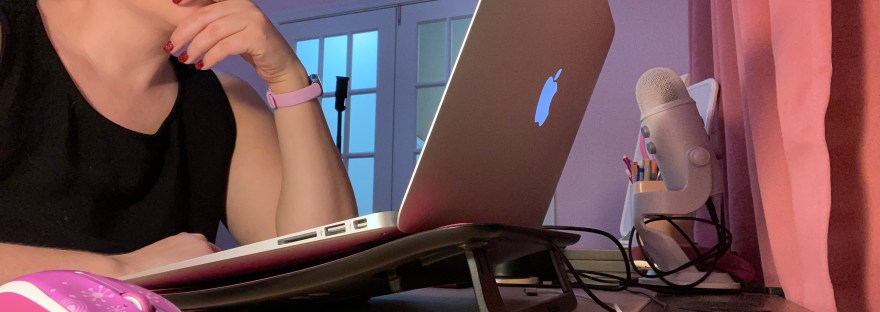
The world is still and quiet—a perfect time for creativity. I’m up at 4:30 AM, often before the sun, to carve out time for my writing. It’s not easy to wake up this early, but I’ve found that the peace and stillness of the early morning hours are ideal for getting into a creative flow. I get my pre-workout and bake something to eat for my family later in the day before I sit at my desk and open my laptop.

5:00 AM – Writing Session

By 5:00 AM, I’m fully immersed in my current project. Whether I’m drafting new chapters, editing, or outlining my next book, these two hours are sacred. It’s my most focused time of the day—no interruptions, no emails, just me and the story. This is when I’ve written some of my best work, including large chunks of my books in the Seasonally Spellbound series.

7:00 AM – Get Ready for the Gym

By 7:00 AM, it’s time to switch gears. I get myself and my little one ready to head out the door. This means packing snacks, getting gym clothes on, and making sure we’re both prepared for the morning ahead.

8:00 AM – Workout

At 8:00 AM, I’m at the gym. Movement is essential not just for my body but for my mind. Exercise keeps me energized and sharp for the rest of the day. It’s also a chance to clear my head and let story ideas percolate in the background. I’ve solved more than one plot problem while doing a set of squats.

10:00 AM – Walk Scout

Back home by 10:00 AM, it’s time for Scout’s walk. Our border collie has boundless energy, so this walk is non-negotiable. We stroll around the neighborhood, and I’ll often use this time to brainstorm scenes or listen to audiobooks related to writing or storytelling.

10:30 AM – Morning Snack

After the walk, it’s snack time. A quick, healthy snack gives me a boost before diving into the next phase of my day.

11:00 AM – Clean or Dog Park During Child’s Nap

At 11:00 AM, my child goes down for a nap, and I’m faced with a choice: clean the house or take Scout to the dog park. On cleaning days, I’m tackling laundry, tidying up toys, and doing small household tasks that keep everything running smoothly. On dog park days, it’s a chance for Scout to run off her energy while I get a mental break.

12:00 PM – Writing Session

Once the cleaning or park trip is done, I’m back at my desk for another writing session at 12:00 PM. These early afternoon hours are quieter but often less focused than my 5:00 AM session. I’m juggling ideas and pushing forward on chapters, but I’m also mindful that the day’s responsibilities are piling up.

2:00 PM – Lunch Break

At 2:00 PM, it’s time to pause for lunch. It’s a chance to refuel, check in with my family, and take a breather before the afternoon push.

3:00 PM – Playtime with Scout

After lunch, I’ll spend some time in the backyard with Scout and with my son. We play fetch, chase, or practice training exercises. It’s a chance for us to get some fresh air, and it’s another moment of “active brainstorming” for me—where story ideas come together when I’m not actively thinking about them.

4:00 PM – Writing Session at the Gym (With Childwatch)

At 4:00 PM, it’s time for the second workout session of the day—but for me, it’s less about exercise and more about childcare. While my child is in childwatch at the gym, I’ll find a quiet spot to write. I’ve learned to be adaptable during this window, knowing that interruptions can happen. But having this dedicated block of time helps me stay on track.

6:00 PM – Dinner and Bedtime Routine

By 6:00 PM, it’s dinner time for the whole family. We sit down together to eat, talk about our day, and unwind a bit. After dinner, it’s time to get my child ready for bed—bath, pajamas, bedtime stories, and snuggles. It’s a cherished part of my day, and I’m fully present for it.

7:00 PM – “Closing Hour” Cleaning Session

Once the little one is asleep, it’s time for my “closing hour”—an hour of straight cleaning. I’ll tackle dishes, organize toys, fold laundry, and reset the house for the next day. It’s part of my “clean slate” philosophy: waking up to a tidy home makes it easier to focus on writing in the morning.

8:00 PM – Wind Down

At 8:00 PM, I’m officially done with household tasks. It’s time to decompress. I’ll read a book, watch a show, or simply relax. I’m mindful not to bring any more “work” into this space. This hour is sacred and sets the tone for a good night’s sleep.

8:30 PM – Lights Out

By 8:30 PM, it’s lights out. I’ve learned that to maintain my 4:30 AM wake-up routine, I need to prioritize rest. Sleep is non-negotiable. I’ve also learned that it’s not just about the quantity of sleep but the quality. A full night’s rest ensures I’m ready to do it all again the next day.


Being a full-time writer requires discipline, but it’s also a job filled with joy, creativity, and flexibility. Every day looks a little different, but this schedule keeps me grounded. Balancing writing, homemaking, and family life isn’t easy—but it’s worth every early morning and late-night cleaning session. If you’ve ever wondered what it’s like to live the life of a full-time writer, know this: it’s a marathon, not a sprint.


career, Seasonally Spellbound Series, writing

Why I Chose Self-Publishing (and Why You Might Too)

When I first decided to pursue writing seriously, I imagined the traditional route: querying agents, crossing my fingers, and hoping for that elusive “yes” from a publisher. But as I went deeper into the process, a realization hit me—I’d been reading books that, frankly, didn’t feel that different from my own rough drafts. If those stories were out there being read, loved, and celebrated, why not mine?

That’s when I decided to take a leap of faith and self-publish. I’d always heard self-publishing was a daunting path reserved for people with entrepreneurial grit and endless marketing savvy. But what I’ve discovered is that self-publishing is less about perfection and more about persistence, creativity, and, most importantly, belief in your own work.

Why I Chose Self-Publishing

  1. Creative Control
    One of the most appealing aspects of self-publishing is the creative freedom it offers. I have full control over every element of my stories—from the plot twists to the cover design to the launch strategy. If I want to write about a witch falling for a vampire king at a magical masquerade, no one can tell me, “That’s too niche.” It’s my story, my rules.
  2. Speed to Market
    Traditional publishing can take years from query to bookshelf. Self-publishing, on the other hand, allows me to get my work in front of readers much faster. Once I’ve polished my manuscript to a point where I’m proud of it, I can publish it on platforms like Amazon’s KDP without waiting for anyone’s permission. This faster turnaround also means I can respond to reader demand more quickly, something that’s critical for serialized stories like my Seasonally Spellbound series.
  3. Confidence in My Craft
    When I started comparing my rough drafts to some of the books already on the market, I realized something important: I’m not “waiting to be ready” anymore. I’m ready now. Was my first book The Midnight Masquerade perfect? No. But it was good enough to be loved by readers, and that’s all that really matters. I’d rather take action and learn as I go than sit on a “what if” forever.
  4. Direct Connection to Readers
    Self-publishing allows me to connect directly with readers. I’m able to receive feedback almost instantly, whether it’s a review or a message on social media. This feedback loop has been invaluable for my growth as a writer. Instead of waiting for feedback from agents or editors, I’m able to see what’s working (or not working) in real-time.
  5. Earnings Potential
    While traditional publishing typically pays authors a small percentage of royalties, self-publishing allows for a much higher cut of the profits. Yes, I’m responsible for expenses like editing, cover design, and marketing, but I’m also able to keep a bigger share of the revenue. Over time, those earnings can add up, especially with multiple books in a series.

The Challenges of Self-Publishing

Of course, self-publishing isn’t all magic and moonlight. There are real challenges that come with this choice, and I’d be remiss not to mention them.

  1. Upfront Costs
    If you’re going to do it right, you’ll need to invest in things like professional editing, cover design, and marketing. I’ve learned that a good cover can make the difference between a book being ignored or clicked on instantly. It’s not cheap if you need to hire out, but it’s an investment in the long-term success of the book. Can’t swing it? I recommend checking out Canva to create your own covers.
  2. Self-Promotion Required
    As a self-published author, you’re also your own marketing team. This means learning how to promote on social media, running ad campaigns, and finding creative ways to generate buzz. For me, this was a big adjustment, but it’s also become one of the most rewarding aspects of the process. It’s satisfying to know that the success of my books is in my hands, not someone else’s.
  3. Time Management
    Writing is only one part of the self-publishing process. There’s also formatting, uploading, marketing, and customer service (yes, readers will reach out to you with questions and comments). Balancing all these roles as a stay-at-home mom requires planning and prioritization. Thankfully, I’ve learned how to streamline these tasks, but it’s something every self-published author has to navigate.
  4. Imposter Syndrome
    It’s easy to question your worth when you’re putting your own work into the world. Without an agent or publisher’s validation, you have to believe in yourself — fully. The truth is, doubt never really goes away, but I’ve learned to push forward anyway. Every new reader reminds me why I’m doing this.
  5. Standing Out in a Crowded Market
    With thousands of new books published daily, standing out is no small feat. But I’ve found that niching down (like focusing on holiday-themed urban fantasy romances) makes it easier to carve out a space where my books feel “just right” for a specific audience. If you’re trying to please everyone, you’ll please no one. But if you’re speaking directly to a specific type of reader, they’ll feel seen.

So, Should You Self-Publish?

If you’re on the fence about self-publishing, I’d encourage you to ask yourself a few questions:

  • Are you willing to learn new skills (like marketing, editing, and design) or hire people to help?
  • Are you comfortable with the idea of “good enough” instead of “perfect”?
  • Do you want full creative control over your story’s direction, pacing, and release schedule?
  • Are you ready to bet on yourself?

If you’re nodding along, self-publishing might be worth exploring. It’s not the “easy way” by any means, but it is an empowering way. For me, it’s been a path of growth, grit, and unexpected joy. Every day, I’m learning something new, whether it’s how to design a more compelling book cover or how to structure a more captivating first chapter.

Self-publishing allowed me to stop waiting for permission and start taking action. I’ve published The Midnight Masquerade and launched a holiday-themed series called Seasonally Spellbound, with more magical stories on the way. The best part? I’m doing it on my own terms. Readers are finding my stories, connecting with my characters, and asking for more.

If you’ve ever felt like your story deserves to be seen, maybe it’s time to trust that feeling. Maybe it’s time to bet on yourself, too.

career, Seasonally Spellbound Series, writing

From Corporate to Creative: My Journey from Social Media Manager to Full-Time Writer

In March 2024, I did something both terrifying and exhilarating — I left behind an eight-year career in cybersecurity to chase a dream I’d been quietly nurturing for years: becoming a full-time romance writer.

It wasn’t an impulsive decision. It was one I’d thought about for years as I juggled career demands, personal dreams, and, eventually, the responsibilities of being a mother. But there’s a certain kind of clarity that comes when you realize that you’ve spent too much time waiting for the “perfect moment” to pursue your dreams. Sometimes, you have to create that moment yourself.

This is the story of how I went from managing social media accounts in the high-stakes world of cybersecurity to crafting magical love stories about witches, vampires, and fated mates.


The Corporate Chapter

Before becoming a writer, I spent eight years in cybersecurity, where I specialized in social media management. I know—social media in cybersecurity? It’s not exactly the first thing that comes to mind. However, my role involved shaping the online presence of companies in an industry where trust and credibility are everything.

I wasn’t just scheduling posts. I was helping build a brand’s reputation, managing crises, and telling stories about complex topics like online safety and digital threats. I mentored new hires, took on extra responsibilities, and even gave presentations to other departments in social media training. It was challenging, fast-paced, and, at times, exhausting. But it also taught me crucial skills I now bring to my writing life:

  • Storytelling — I learned how to craft a narrative, even when the subject matter was technical.
  • Marketing — I understood the importance of knowing your audience and crafting content that speaks directly to them.
  • Resilience — Crisis management taught me how to stay calm under pressure, something I now rely on when deadlines loom or creative doubt creeps in.

Why I Chose to Leave

So, why did I walk away from a stable, six-figure career? The truth is, I wanted more than a “good” job. I wanted meaning.

In 2023, I became a mother — a life-changing event that reshaped everything I thought I knew about time, priorities, and fulfillment. Suddenly, I didn’t want to spend 40+ hours a week solving other people’s problems. I wanted to build something of my own.

I knew I wanted to write. Not “someday,” but now. I’d been daydreaming about stories involving witches, vampires, and fated love for years. The idea of creating my own magical world felt like a calling I could no longer ignore. And honestly? Motherhood gave me the courage to take the leap.

With my husband’s support, I decided to step away from corporate life in March 2024. I became a full-time stay-at-home mom and an aspiring romance writer. It wasn’t easy. There were doubts. There were tears. But there was also hope — hope that, with patience and persistence, I could turn this dream into reality.


Building a New Routine

Going from a structured 9-to-5 job to the free-flowing world of writing sounds like a dream, but let me tell you — it’s not all sunshine and slow mornings. When you’re your own boss, you have to create your own structure.

I had a baby to care for, homemaking responsibilities, and a blank page staring back at me every morning. I knew if I wanted to succeed as a writer, I’d have to be intentional with my time. So I built a schedule that worked for my family:

  • 6:00 AM — Breakfast and quiet writing time while the house is still asleep.
  • 7:00 AM — Get myself and my child ready for the day.
  • 8:00 AM — Workout class (because mental health is just as important as physical health).
  • 9:30 AM — Child’s nap time = more writing time.
  • Rest of the day — Homemaking, family time, and squeezing in more writing whenever possible.

This rhythm wasn’t perfect, but it gave me consistency. And consistency, more than talent or inspiration, is what actually leads to finished books.

I also relied on tools like the Daily Grind Planner, which helped me track both my writing goals and daily homemaking tasks. Staying organized allowed me to give myself grace on the hard days and celebrate the small wins on the good days.


Writing The Midnight Masquerade

One of the first stories I knew I had to write was The Midnight Masquerade, a romance set during a Halloween masquerade ball at a gothic mansion. It’s the story of Vespera Blackwood, a secret witch, and Theodore Ravenwick, a vampire king in search of his fated mate.

This story was born from my love of Halloween and my affection for Jack and Sally from The Nightmare Before Christmas. I loved the idea of a magical masquerade where nothing is as it seems — where hidden identities and forbidden love collide. Each night of the masquerade has its own magical theme, from a mystical circus to an enchanted forest.

But writing the book was no enchanted ball. It required discipline, self-doubt, and rewriting scenes I thought were “done.” The journey taught me that creativity isn’t a magical spell you can cast at will — it’s a daily practice.

In October 2024, after a month of work, I finally did it. The Midnight Masquerade was officially published. Seeing my story out in the world, knowing people could actually read the words I’d poured my heart into, was surreal. It was proof that the leap from corporate to creative wasn’t just a dream — it was a transformation.


Lessons I’ve Learned Along the Way

Every journey has lessons, and this one is no different. Here are a few truths I’ve learned about walking away from a corporate career to become a full-time writer:

  • You don’t need to have it all figured out to start.
    When I left my job, I didn’t have a 10-step plan for becoming a successful writer. I just had a dream and a willingness to show up every day. Clarity comes with action, not the other way around.
  • The skills you build in one career will serve you in the next.
    My years in social media taught me marketing, storytelling, and consistency — all skills I now use as an author. Nothing is wasted.
  • If you wait for “perfect timing,” you’ll wait forever.
    I could have stayed in corporate life for years, waiting for the “right” moment to write a book. But the truth is, there’s never a right moment. The only moment you have is now.
  • You don’t have to do it alone.
    My husband’s support was crucial. So were the friends, family, and readers who believed in me. Don’t be afraid to ask for help or lean on the people who love you.
  • Success isn’t measured by a paycheck — it’s measured by fulfillment.
    Walking away from a six-figure salary wasn’t easy. But I don’t measure success by numbers anymore. I measure it by joy, freedom, and growth.

Where I’m Headed Next

If you’ve made it this far, you might be wondering: What’s next for me? Well, I’m just getting started.

My next big project is continuing the Seasonally Spellbound Series, a collection of urban fantasy romances centered around holidays. Each book will feature a female witch paired with a holiday-themed love interest (like a vampire for Halloween or the Elf King for Christmas).

I’m also working on my second book, tentatively titled Mistletoe and Magic, which follows a thirty-year-old witch named Trudy as she finds herself caught between two worlds — one with her CEO boyfriend at a toy company, and another with the Elf King, her fated mate.

I’m excited, I’m scared, but most of all, I’m ready.


Final Words of Encouragement

If you’ve ever thought about leaving your job to pursue a dream, I want you to know this: It’s possible. It’s hard, yes. But it’s possible. You don’t have to have all the answers before you begin. You just have to start.

Take the leap. Take the risk. Trust that you have everything you need to make it work.

And when you do? I’ll be here, cheering you on.


If you loved this post, stay connected with me! Follow my journey as I release more books in the Seasonally Spellbound Series and share behind-the-scenes updates on writing, self-publishing, and embracing the creative life.

What dream are you chasing? Drop it in the comments below — I’d love to hear from you. ✨

writing

The Emotional Rollercoaster of NaNoWriMo: How to Keep Pushing Forward

NaNoWriMo is a wild ride. One day you’re on top of the world, cranking out words like a literary machine, convinced your story is pure genius. The next, you’re drowning in self-doubt, wondering why you ever thought this challenge was a good idea. Sound familiar?

You’re not alone. Every writer faces highs and lows during NaNoWriMo, but the key to success lies in navigating the emotional twists and turns. Here’s how to keep pushing forward, even when the journey feels overwhelming.


Highs: Celebrate the Wins

Let’s start with the good stuff: those magical moments when the words flow effortlessly, when your characters surprise you, or when you hit a major milestone. These highs are why we love writing, and they deserve to be celebrated.

  • Set small milestones: Whether it’s hitting 10,000 words or finishing a tricky chapter, every step forward is worth celebrating. Reward yourself with something fun—a treat, a short break, or even a victory dance.
  • Share your wins: Post your progress on social media, connect with fellow Wrimos, or share with a writing buddy. A little cheerleading goes a long way.

By focusing on these wins, you can build momentum to carry you through the tougher days.


Lows: Conquer the Dips

Unfortunately, the lows are inevitable. Maybe you fall behind on your word count, or you’re stuck in the dreaded “murky middle” of your story. Perhaps fatigue and self-doubt creep in, whispering that you’ll never make it.

Here’s how to stay resilient:

  • Remind yourself of your ‘why’: Why did you start this story? What excites you about it? Reconnect with your purpose to reignite your passion.
  • Embrace the mess: First drafts are supposed to be imperfect. Don’t let the pressure of perfection stall your progress. Give yourself permission to write badly—it’s all part of the process.
  • Take it one word at a time: When you’re overwhelmed, focus on small, manageable goals. Write for ten minutes. Add 100 words. Sometimes, just starting is enough to break through the block.

Fatigue: Prioritize Self-Care

NaNoWriMo’s pace is intense, and burnout is real. Writing is important, but so is taking care of yourself.

  • Rest when you need it: If you’re exhausted, step away from the keyboard. A nap, a walk, or even a good night’s sleep can work wonders for your creativity.
  • Refuel your body and mind: Stay hydrated, eat nourishing foods, and give yourself time to decompress. Creative energy thrives when you’re feeling good physically and mentally.

The Middle Ground: Keep Moving Forward

Writing a novel in 30 days is like running a marathon—there are stretches that feel impossible, but you’ll never finish if you stop. Instead of focusing on how far you have to go, concentrate on the next step.

  • Visualize the finish line: Imagine the satisfaction of completing your novel. Picture the joy of typing “The End” and celebrating your achievement.
  • Accept the rollercoaster: NaNoWriMo is an emotional journey, but every twist and turn teaches you something about yourself as a writer. The highs and lows are proof that you’re challenging yourself—and growing in the process.

Final Thoughts

NaNoWriMo is a challenge like no other, pushing you to stretch your creativity, discipline, and perseverance. It’s not easy, but it’s worth it.

So, whether you’re riding a creative high or battling through a low, keep going. Your story matters, and the world needs it. The finish line is closer than you think—one word at a time.

How do you handle the emotional ups and downs of NaNoWriMo? Share your tips and experiences in the comments—I’d love to hear how you keep pushing forward!

writing

How NaNoWriMo Has Improved My Writing Process

Every November, writers worldwide dive into the whirlwind of NaNoWriMo—a 30-day challenge to write a 50,000-word novel. At first glance, it might seem like an exercise in creative chaos, but beneath the frenzy lies an opportunity to develop skills that can reshape your writing process for the better. For me, NaNoWriMo has been a crash course in building habits that have transformed how I approach storytelling.

1. Quick Decision-Making

Before NaNoWriMo, I was notorious for getting stuck in decision-making loops. Should my protagonist turn left or right? Would this scene work better in a café or a park? NaNoWriMo doesn’t leave room for overthinking—there’s no time. This challenge forces you to make decisions on the spot and trust your instincts, a skill that’s spilled over into my regular writing sessions. I’ve learned to keep the momentum going by letting the story flow, knowing I can refine details later during revisions.

2. Banishing the Inner Editor

I’ll admit, my inner editor can be a bit of a tyrant. I used to spend hours tweaking sentences before I even finished a paragraph. But NaNoWriMo’s pace demands that I silence that inner critic. The goal is words on the page, not perfection. And guess what? It’s liberating. The process of letting go has taught me that messy first drafts are not only okay—they’re necessary. Writing freely has allowed me to uncover ideas and plot twists that might never have surfaced if I’d been obsessing over every word.

3. Pacing a Story

Writing 50,000 words in a month forces you to think critically about pacing. How do you keep a story moving at this speed? For me, it’s about hitting key story beats and keeping the characters active. NaNoWriMo has helped me recognize when my story is dragging and when it needs a push. This awareness of pacing has stuck with me, making my stories feel tighter and more engaging even after the challenge ends.

4. Building a Daily Writing Habit

Consistency is key in writing, but before this challenge, I often struggled to make it a daily practice. The challenge’s word count goal pushes you to show up every day, even when you don’t feel like it. Over time, this has become ingrained in my routine. I’ve discovered that writing daily—even just a little—keeps the story fresh in my mind and makes it easier to pick up where I left off.

5. Learning to Prioritize Creativity

Life gets busy, and it’s easy to put writing on the back burner. NaNoWriMo has taught me to prioritize my creative time. During November, I actively carve out moments to write—whether it’s waking up early, skipping a TV show, or using nap time if you’re a parent like me. It’s a reminder that writing deserves a spot in my schedule, not just when it’s convenient.

Final Thoughts

NaNoWriMo is more than just a word count challenge—it’s a transformative experience. It has pushed me to trust my instincts, embrace imperfection, and establish habits that make me a more productive and confident writer. Even when November ends, the lessons stick with me, shaping how I approach my stories year-round.

If you’ve participated in NaNoWriMo, how has it changed your writing process? Let me know in the comments—I’d love to hear your insights!

writing

How to Keep Writing When You’re Not Inspired During NaNoWriMo

NaNoWriMo is a big challenge, but let’s face it—not every day feels like a creative win. Some days, the words flow like magic. Other days, you’re staring at a blinking cursor, feeling totally uninspired. The good news? You don’t have to wait for inspiration to strike. Here are some tried-and-true strategies to push through those uninspired moments and keep your NaNoWriMo momentum going.


1. Find a New Soundtrack

Music has the power to transform your mood and spark creativity. If your usual playlist isn’t working, try something new:

  • Instrumental scores from movies like The Lord of the Rings or Inception soundtracks can add an epic tone to your writing.
  • Chillhop or lo-fi beats can help create a relaxed, focused vibe.
  • If your story has a specific setting, find music that matches its mood—Celtic tunes for a fantasy novel, for example.

Experiment until you find a sound that reignites your imagination.


2. Reread an Inspiring Passage

Sometimes, a little reminder of why you love your story can go a long way. Flip back to a passage you’ve already written that excites you—maybe it’s a snappy bit of dialogue or a scene that turned out just right. Revisiting these moments can reignite your enthusiasm and remind you of the bigger picture.

No inspiring passages yet? Try rereading a favorite book or scene from an author who never fails to spark your creativity.


3. Revisit Your Character’s Motivation

When the story feels stagnant, go back to the heart of it: your characters. Ask yourself:

  • What does my character want most in this moment?
  • What’s stopping them from getting it?
  • How are they feeling right now, and how might they act on those feelings?

A quick character brainstorming session can unlock fresh ideas for the next scene and help you move forward.


4. Use a Writing Prompt or Challenge

Inject some fun into your writing by incorporating a random prompt or challenge. For instance:

  • Write a scene where a character discovers a mysterious object.
  • Introduce an unexpected visitor or twist.
  • Change the setting—move your scene to a stormy night, a crowded festival, or a quiet library.

These exercises can jolt your creativity and lead to surprising story developments.


5. Step Away and Reset

Sometimes the best way to get through a creative block is to step away from your desk:

  • Take a quick walk to clear your mind and stimulate new ideas.
  • Try stretching, yoga, or deep breathing to release tension.
  • Tackle a small, unrelated task—like folding laundry or washing dishes—then come back refreshed.

Even a five-minute break can make a difference.


6. Embrace the Messy First Draft

Remember, NaNoWriMo isn’t about perfection—it’s about getting the words down. If you’re stuck, write whatever comes to mind, even if it feels clunky or off-track. Let go of the need for it to be “good” and focus on filling the page. You can always revise later.


7. Write Out of Order

Who says you have to write your story linearly? Jump ahead to a scene you’re excited about or explore a moment from a different character’s perspective. Once the ideas start flowing, it’s often easier to go back and fill in the gaps.


8. Connect with Fellow Wrimos

If you’re feeling stuck, you’re not alone. Join a NaNoWriMo writing sprint, visit the forums, or chat with a writing buddy. Sharing your struggles (and victories!) with others can motivate you to keep going.


Final Thoughts

Inspiration may come and go, but consistency is what gets you to the finish line. By using these strategies, you can keep writing—even on the tough days—and discover new depths of creativity along the way.

How do you push through uninspired moments during NaNoWriMo? Share your tips in the comments—I’d love to hear them!

writing

Managing Writer’s Block in the Thick of NaNoWriMo

NaNoWriMo is a big challenge with many hurdles to leap through—writer’s block is one of the most common. Staring at a blank screen while the clock ticks can be stressful, especially when the daily word count looms overhead. However, writer’s block doesn’t have to derail your progress. With the right tools and mindset, you can break through creative roadblocks and keep your novel moving.

Here’s how to manage writer’s block during NaNoWriMo and come out on top!

Lower the Stakes with Freewriting

When writer’s block strikes, perfectionism is often the culprit. Freewriting is a simple exercise that removes the pressure to write something “good.” Set a timer for 10 minutes and write anything that comes to mind—whether it’s about your story or not.

Why It Works: Freewriting clears mental clutter and helps you reconnect with your creativity. You might even stumble upon a new idea for your novel!

Skip Ahead to an Exciting Scene

If you’re stuck in the middle of a tricky chapter, skip ahead to a scene you’re excited to write. This keeps the momentum going and reminds you of the joy of storytelling.

Pro Tip: Use placeholders like “[insert description here]” or “[figure out later]” to keep moving instead of getting bogged down in details.

Take a Break to Reset

Sometimes, stepping away is the best way to move forward. Take a quick walk, do some yoga, or even tackle a household chore. Some physical activity or a change of scenery can help reset your mind and spark fresh ideas.

Quick Reset Ideas:

  • A 10-minute walk around the block
  • A mini dance party to your favorite playlist
  • Breathing exercises or a short meditation session

Revisit Your Outline (or Make One)

If you’re feeling lost, revisit your outline for clarity. If you didn’t create one, now’s a great time to sketch a rough roadmap. Even a simple list of the next three events in your story can provide direction and reignite your enthusiasm.

No Outline? No Problem: Start with these prompts:

  • What’s the worst thing that could happen to my protagonist right now?
  • What does my antagonist want, and how will they try to get it?
  • What secret is my protagonist hiding, and how might it come out?

Talk It Out

Explaining your story to someone else—or even to yourself—can help you identify what’s causing the block. Call a trusted friend, join a NaNoWriMo writing group, or record yourself discussing the problem.

Why It Helps: Verbalizing your thoughts forces you to articulate your ideas clearly and may reveal new solutions.

Switch Perspectives

If your current scene feels flat, try rewriting it from a different character’s point of view. This exercise can add depth to your story and uncover new subplots or emotional layers.

Bonus Benefit: You’ll better understand your supporting characters, making them more dynamic and engaging.

Use Writing Prompts

A good prompt can help you bypass the block and jumpstart your creativity. To shake things up in your story, try incorporating a random twist, like a surprise visitor or a sudden storm.

Prompt Ideas:

  • “What would happen if my protagonist’s deepest fear came true right now?”
  • “Someone delivers an urgent message that changes everything.”
  • “A new character arrives, bringing both chaos and opportunity.”

Accept Imperfection

Remember, NaNoWriMo is about progress, not perfection. Writer’s block often stems from self-doubt or the fear of writing poorly. Allow yourself to write messy first drafts—you can always revise later.

Mantra to Remember: “You can’t edit a blank page, but you can improve a rough one.”

Create a Writing Ritual

Establishing a consistent pre-writing ritual can help signal your brain that it’s time to write. Light a candle, play a specific song, or spend five minutes journaling before diving in. Over time, this ritual becomes a powerful tool to overcome blocks.

Celebrate Small Wins

Even if you only manage a few sentences, that’s progress! Celebrate every word you add to your story and remind yourself that every small step moves you closer to your goal.

Quick Motivation Tip: Track your daily word count and reward yourself for hitting milestones, no matter how small.

Final Thoughts

Writer’s block is part of the creative process, but it doesn’t have to derail your NaNoWriMo journey. By embracing flexibility, trying new techniques, and remembering that the goal is progress, not perfection, you can power through the challenging moments and keep your story alive.

When in doubt, remind yourself why you started this challenge—your story matters, and the world deserves to hear it. Keep writing!

writing

How to Find Time to Write During NaNoWriMo as a Busy Parent

Juggling the demands of parenting and the ambitious goal of writing a 50,000-word novel in 30 days might seem impossible, but it can be done with some creativity and planning. Your time is precious as a parent, but carving out small pockets of time for writing can make a big difference. Here are some practical strategies to help you balance your parenting duties while crushing your NaNoWriMo goals.

Start Early or Stay Up Late

Finding uninterrupted time during the day can be challenging, but mornings and evenings often offer rare quiet moments. Waking up 30 minutes earlier or staying up a little later can give you valuable writing time.

Tips for Early Birds and Night Owls:

  • Morning Writing: Set your coffee maker on a timer and start writing as soon as you wake up.
  • Evening Writing: Create a calming wind-down ritual after the kids are in bed—light a candle, put on soft music, and write in a cozy spot.

Maximize Nap Times and Playtime

For parents of younger children, nap time is golden. Use that quiet stretch to focus on your story. If your child is older and doesn’t nap, set up independent play activities or screen time (guilt-free!) to create a short writing window.

Quick Writing Tips:

  • Plan what you’ll write beforehand so you can dive in when the opportunity arises.
  • Use a timer to stay focused and avoid distractions during these short bursts of writing.

Involve Your Kids

Why not make your kids a part of your NaNoWriMo journey? Explain that you’re working on a particular project and set them up with creative tasks, like coloring, drawing, or even writing their own “books.” This can give you some uninterrupted time while inspiring their creativity, too. For instance, you can ask them to draw a scene from your novel or write a short story about the characters.

Pro Tip: Create a reward system for both of you. For example, you can enjoy a treat together if you meet your word count.

Break It Into Small Chunks

Writing doesn’t have to happen all at once. Aim for smaller daily sessions, like 10- or 15-minute sprints. These add up quickly, especially if you make the most of transitions, like waiting during school pick-up or while dinner cooks.

Tools to Stay Efficient:

  • Use a note-taking app or voice recorder to jot down ideas.
  • Keep your laptop or notebook easily accessible for quick writing sessions.

Lean on Your Support System

Don’t hesitate to ask for help. Trade off childcare with your partner, enlist family or friends for an afternoon, or organize playdates to free up some time. If you’re part of a parenting group, see if anyone else is participating in NaNoWriMo and set up a babysitting swap!

Remember: Asking for help doesn’t mean you’re not doing enough—it’s a smart way to make room for your goals.

Embrace Imperfection

As a busy parent, life is unpredictable, and some days might not go as planned. Give yourself grace and focus on progress rather than perfection. Even a few hundred words are better than none, and every step forward is worth celebrating.

Quick Tip: Use “imperfect” moments—like writing with kids nearby or tackling your draft in small increments—to remind yourself that progress matters more than how it looks.

Combine Writing with Family Time

Incorporate writing into your family activities. For example, work on a scene while your kids do homework or dictate ideas into a voice app while walking together. These multitasking moments can help you stay connected with your family while keeping your novel moving forward.

Plan Ahead for the Month

Organize your schedule. Look for blocks of time you can dedicate to writing and plan meals, chores, and other tasks in advance. The more prepared you are, the less you’ll need to juggle on the fly.

Prepping Tips:

  • Batch-cook meals or rely on easy-to-prepare options to save time.
  • Use a planner or calendar to schedule dedicated writing time.

Celebrate Small Wins

Every word you write is a victory. Celebrate your progress every day, whether it’s 200 words or 2,000. These small successes will keep you motivated and remind you that you’re doing something incredible—not just for yourself but as a role model for your kids.

Final Thoughts

Tackling NaNoWriMo as a parent isn’t about finding hours of time––it’s about making the most of the moments you have. By carving out small windows of time, leaning on your support system, and embracing flexibility, you can balance parenting and writing while achieving your creative goals. Remember, the journey is as important as the destination, and your story is worth every moment of it.

You’ve got this—and your story is worth it! I’m here to support and encourage you every step of the way.

writing

Building the Ultimate Writing Ritual for NaNoWriMo Success

NaNoWriMo is here, and with it comes the exhilarating challenge of crafting a 50,000-word novel in just 30 days. The task can be daunting, but a well-designed writing ritual can help transform NaNoWriMo from overwhelming to empowering. By establishing routines around when, where, and how you write, you can train your brain to slip into “writing mode” with ease, making each session more productive and enjoyable.

Here’s a guide to building the ultimate writing ritual for NaNoWriMo success!


1. Set a Consistent Writing Time

Your body and mind thrive on routine, and a set writing time can be the difference between writer’s block and word count victories. Pick a time when distractions are minimal—maybe early morning, late at night, or during your lunch break. Whatever time you choose, try to stick to it every day. This consistency will help signal to your brain that it’s time to write, making it easier to dive right in.

Pro Tip: To build the habit faster, pair your writing time with something you already do daily, like having a cup of coffee in the morning or winding down with tea at night. This association helps create a ritual that your brain will recognize and respond to.

2. Designate a Writing Space

Just as a consistent time helps your brain prepare to write, a designated space creates a physical cue that says, “This is where creativity happens.” Your writing space doesn’t have to be extravagant—it could be a desk, a cozy armchair, or even a specific spot at your local coffee shop. What matters most is that you use it consistently.

Make it Yours: Add a few items that inspire or comfort you. A candle, a plant, a cozy blanket, or a framed quote about writing can all transform your space into a mini writing sanctuary. A well-loved notebook or a favorite pen can also help set the stage for creative work.

3. Establish a Pre-Writing Ritual

A pre-writing ritual can be anything that tells your mind it’s time to shift into creative gear. This could be a short breathing exercise, a five-minute journal entry, or even a quick walk around the block. These rituals help clear your mind and prepare you to focus on your story.

Ideas to Try:

  • Music for Inspiration: Create a playlist that captures the mood of your story. Listening to the same playlist before each writing session can help transport you into the world of your novel.
  • Affirmations: A quick mantra, like “Today, I will write without judgment,” can put you in a positive frame of mind.
  • Visualization: Close your eyes and imagine your main character in a pivotal scene. Allow yourself to experience the scene through their eyes for a minute or two. Visualization can help you connect deeply with your story before you begin writing.

4. Set Small Goals and Use Rewards

NaNoWriMo’s 50,000-word goal can feel intimidating, so breaking it down into daily word counts or smaller goals can make it more manageable. Start each session by setting a specific target—whether it’s 500 words, 1,000 words, or a certain scene you want to complete.

Then, make it fun by adding a reward system. If you hit your word count, treat yourself to something small but meaningful: a snack, a few minutes of a favorite show, or a quick scroll on social media. This combination of setting clear goals and celebrating small victories can help sustain your momentum over the month.

5. Close Out Each Session with a Ritual

Just as a pre-writing ritual helps you prepare to start, a closing ritual can help you “turn off” from your writing session and avoid burnout. This could be as simple as closing your notebook, stretching, or jotting down a few notes about where you’ll pick up tomorrow. A closing ritual lets you leave your story world behind for the day, knowing exactly where you’ll dive back in next time.

Bonus Tip: Leave on a cliffhanger! If you stop in the middle of an exciting scene or unresolved thought, it can be easier to jump back into your story at your next session.

6. Create a Writing Kit for Inspiration

A writing kit is a fun, physical tool that’s both practical and inspiring. It could include essentials like a notebook, pens, a writing tracker, or sticky notes for brainstorming ideas. But add a few inspirational items too—a picture that reminds you of your setting, a scent that makes you think of your characters, or a small charm that represents your protagonist.

Having a writing kit nearby during NaNoWriMo can keep you motivated and anchored in your story, reminding you of the world you’re creating.

7. Make Room for Breaks and Self-Care

Even the most productive writing ritual should include time for breaks. Pushing yourself too hard can lead to burnout, so remember to pause for short breaks every 20-30 minutes. Stand up, stretch, drink water, or look out the window—anything to give your brain a moment of refreshment. This will help you stay energized and prevent fatigue from setting in.


Crafting a Personalized Ritual

Remember, your writing ritual should work for you. Experiment with different elements, adjust as you go, and feel free to skip anything that doesn’t feel right. Whether you’re a coffee-shop writer, a night owl, or someone who writes in 10-minute bursts while juggling other responsibilities, there’s a ritual that can fit your style.

By establishing routines around time, space, and pre-writing rituals, you’ll enter each writing session more focused, inspired, and ready to crush those NaNoWriMo goals. Happy writing!

career, lifestyle, writing

Lessons Homemaking Has Taught Me About Writing

Homemaking isn’t just about keeping things tidy and organized; it’s a daily practice that requires patience, persistence, attention to detail, and habits that bring a sense of balance. Here’s how these household skills fuel my creative work.


1. Patience: Embracing the Slow and Steady Progress

Keeping a home is a marathon, not a sprint, and it’s easy to feel overwhelmed by the endless list of chores. Writing a novel—or even just a chapter—can feel similarly daunting. Both tasks require a patient, one-step-at-a-time approach. I’ve learned that just as a clean house doesn’t happen overnight, neither does a well-written book. Taking it one task at a time, celebrating small victories, and trusting the process have made me a more resilient and patient writer.


2. Persistence: Showing Up Even on the Tough Days

Some days, managing a household can feel like running on autopilot: the dishes pile up, the laundry keeps spinning, and the same routines repeat day after day. Writing, too, can feel repetitive, especially during rough drafts when progress is slow. But homemaking has taught me that persistence—showing up daily, even when I’m tired or uninspired—leads to results. Small, consistent efforts accumulate over time, whether I’m polishing a story or tidying the living room.


3. Attention to Detail: Finding Magic in the Little Things

In homemaking, attention to detail can make a world of difference—whether it’s arranging flowers on a table or adding a cozy touch to a reading nook. This same eye for detail enriches my writing, helping me create vivid, immersive worlds for my characters. Just as a well-kept home feels inviting, a well-crafted story draws readers in with its richness. I’ve found that focusing on sensory details in my stories—like the glow of a candle or the rustling of leaves—often stems from the same appreciation I have for those small, meaningful touches at home.


4. Daily Habits: Building a Foundation for Creative Flow

Homemaking involves countless small routines that make a house feel like home: morning coffee rituals, afternoon clean-ups, or evening wind-downs. These habits keep my day organized, leaving room for creativity. Similarly, having daily writing routines—like starting my day with a writing session or ending it by jotting down ideas—helps my creative mind stay engaged. I’ve found that establishing habits is essential for maintaining momentum and motivation, both in writing and homemaking.


Final Thoughts: The Balance Between Creativity and Responsibility

The life of a writer who’s also managing a home is one of balance. Homemaking reminds me to embrace the dual nature of creativity and responsibility, where I can lean into both discipline and imagination. By drawing on the lessons of patience, persistence, attention to detail, and the power of daily habits, I’m creating a nurturing environment not only for my family but also for my creative projects.


Whether you’re a writer, a homemaker, or both, remember that these skills we develop in daily life have a powerful impact on our craft. The more we learn from one part of our life, the more it enriches the other—and, ultimately, that’s what makes the journey fulfilling.